Hey there readers thanks for continuing to follow along. As always, I apologize for it taking so long to get these entries out. Just throwing this out there, if anyone wants to pay me to do this or perhaps just comp some of my expenses, I promise that I will get them done quicker. Until then though, I guess you will just have to bear with me getting these out whenever I have time.
So day two in Chiang Mai started a bit late, with me not departing my room until 10:30 AM. I had really needed the rest, and fortunately my lodging was both quiet and comfortable. Rather than just wandering around aimlessly, I went straight to BaanBaan Breakfast, which is a highly rated eatery for . . . wait for it . . . that’s right, breakfast! Fortunately it was only a ten-minute walk. As it was so close, there wasn’t really anything new to see along the way.
Upon arrival, I quickly scored a table and ordered “traditional Thai” coffee with milk. It came in a glass, similar to the way it is traditionally served in Costa Rica. However, unlike Costa Rican coffee, there was something at the bottom of the glass, which based on the name, I assumed to be sweetened, condensed milk. Shortly thereafter my “Thai egg pan” also arrived; this last was also marketed as being “traditional” but I had my doubts. Regardless, the two items together made for a nice picture.
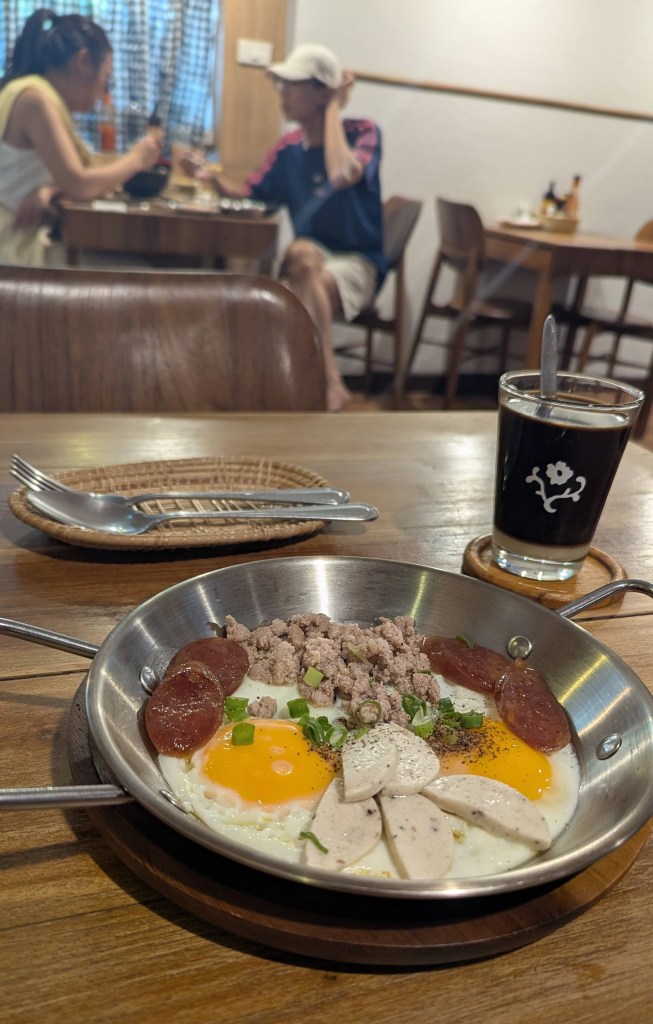
As you can see, it is basically a keto breakfast with two eggs and three types of sausage. The serving was relatively small, but it was full of taste, which invites you to eat it slowly, savoring each small bite. As for the coffee, my earlier instincts about the white layer had been correct, so I guess that sort of threw a wrench in the whole keto thing. However, that had never really been my goal, so I wasn’t particularly concerned. The food had come out quite quickly, but it wasn’t until 11:20 AM that I used my Moreta app to pay the 139 THB ($4.26 USD) bill and then started walking towards the Lanna Folklife Center.
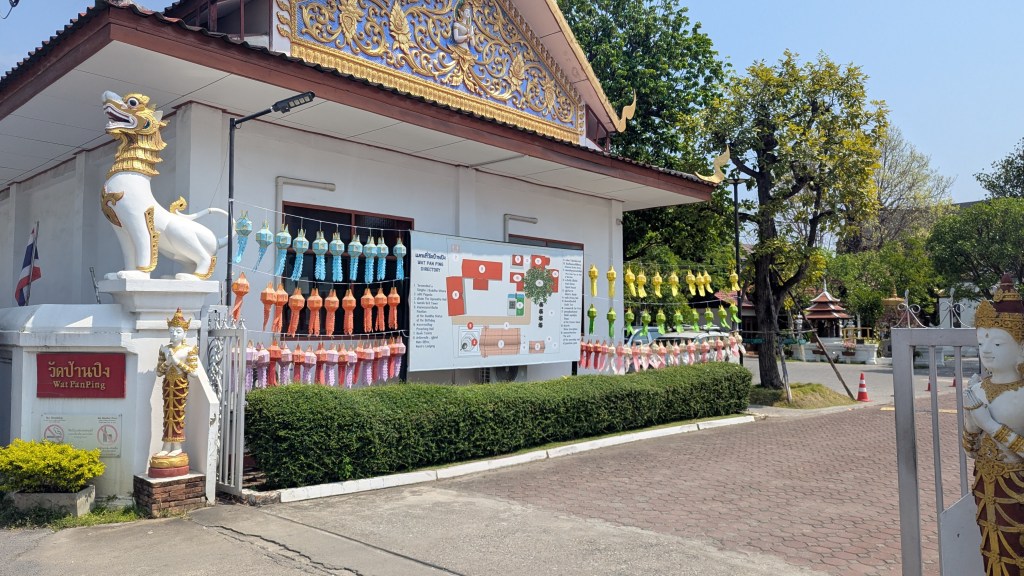
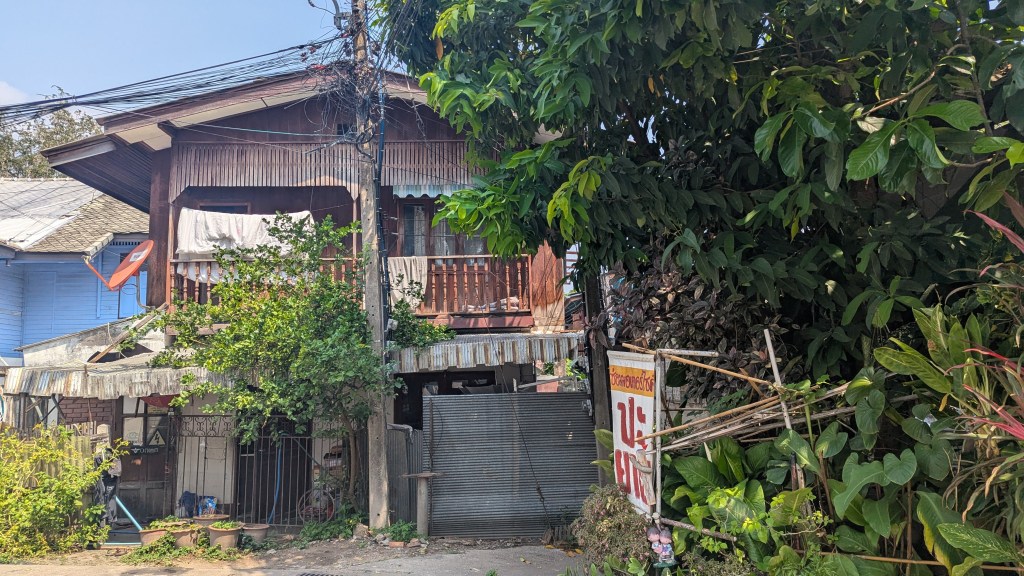
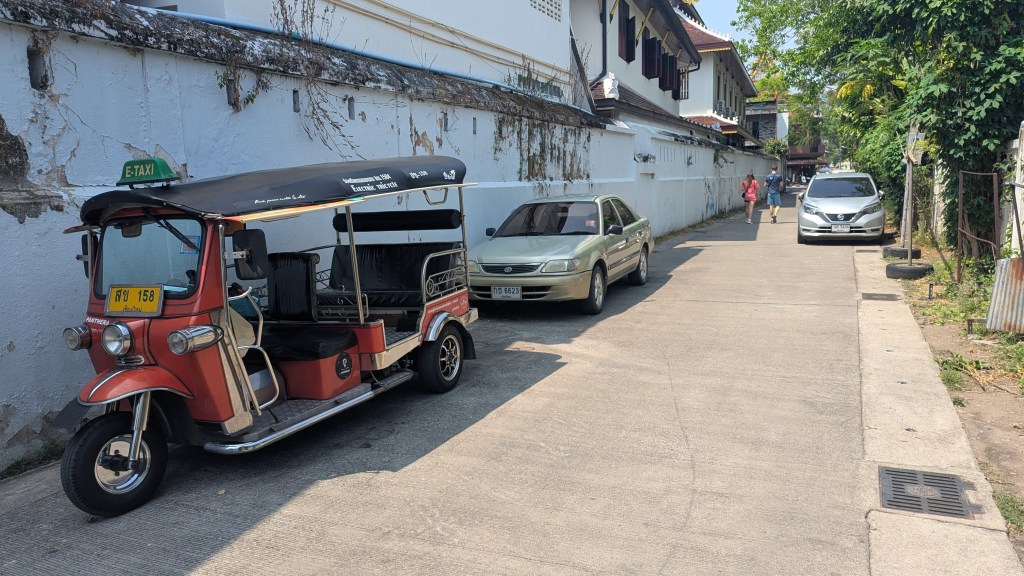
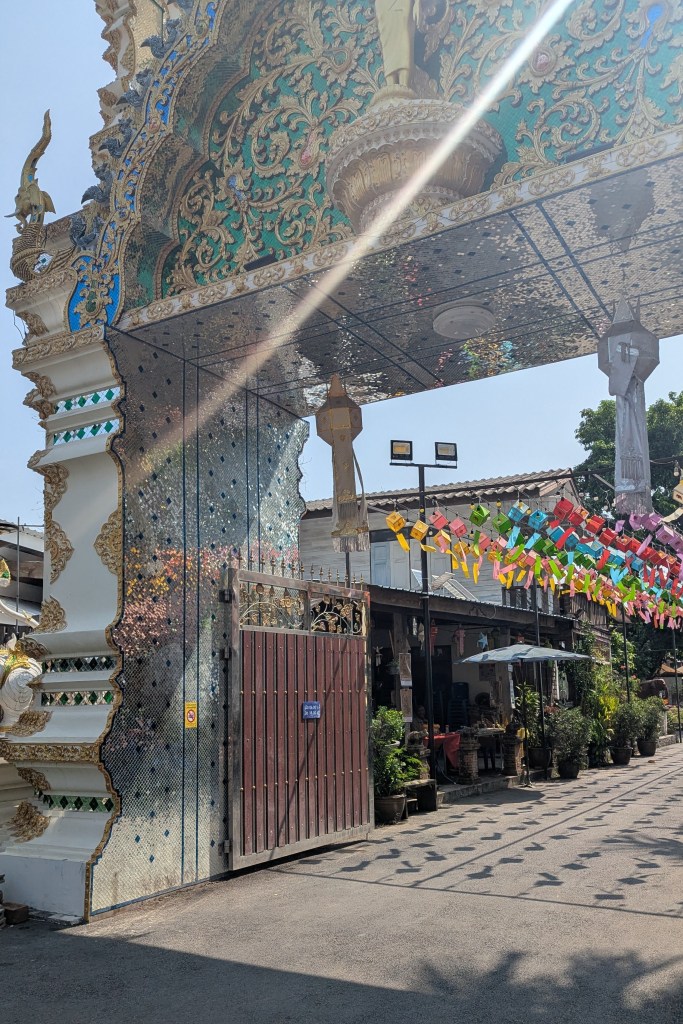
Walking into the entrance at 11:35 AM, I was quite pleased to see that there seemed to be some sort of school or club which had been visiting. Other people were taking pictures of them, so I figured that I may as well do the same.
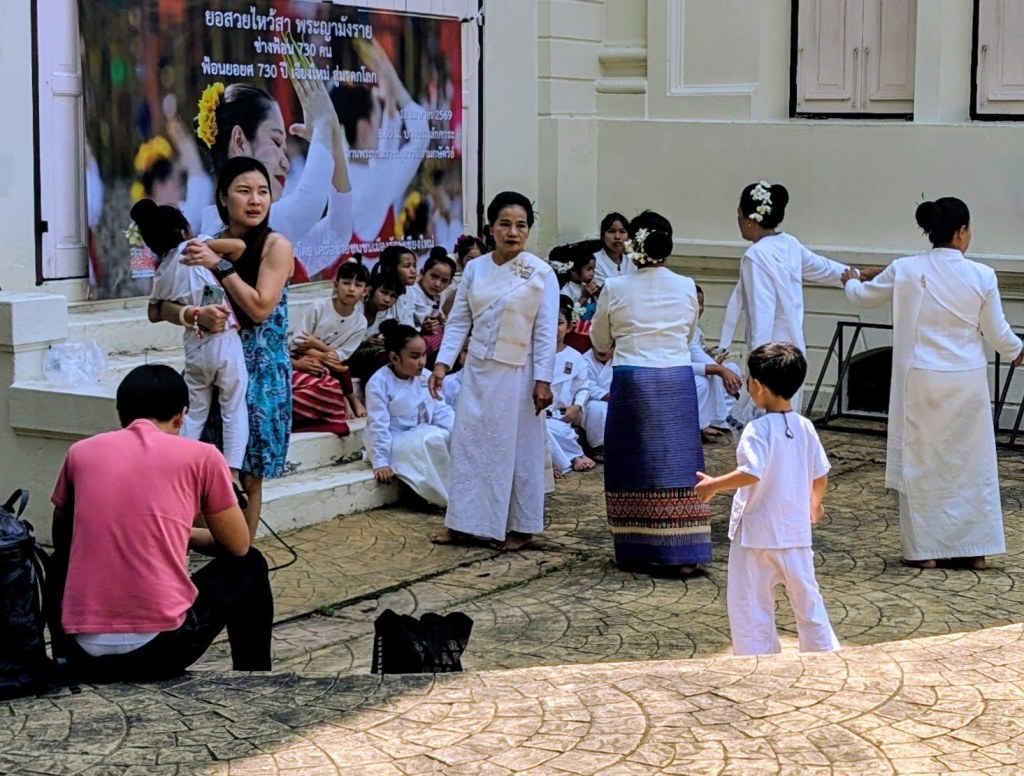
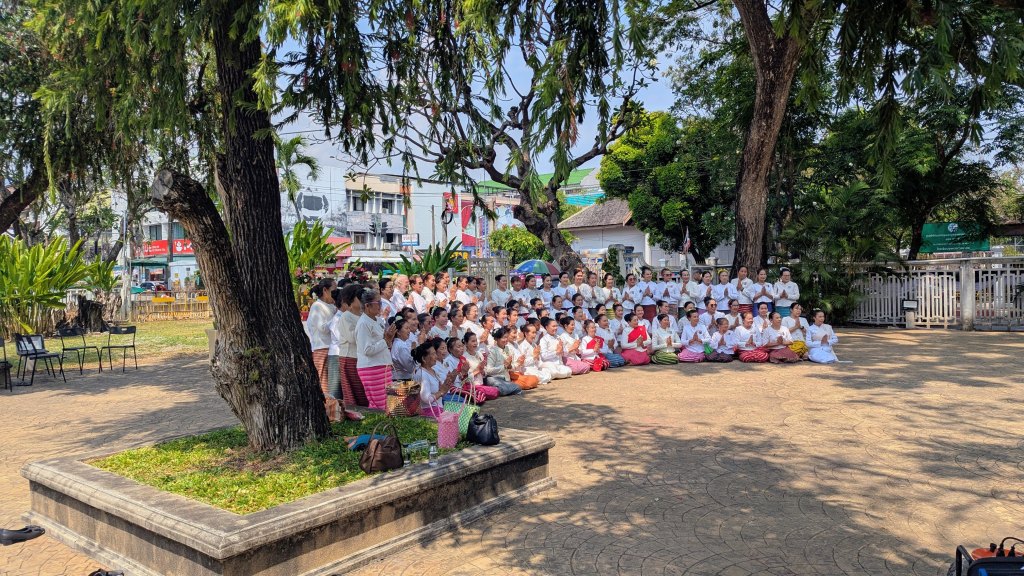
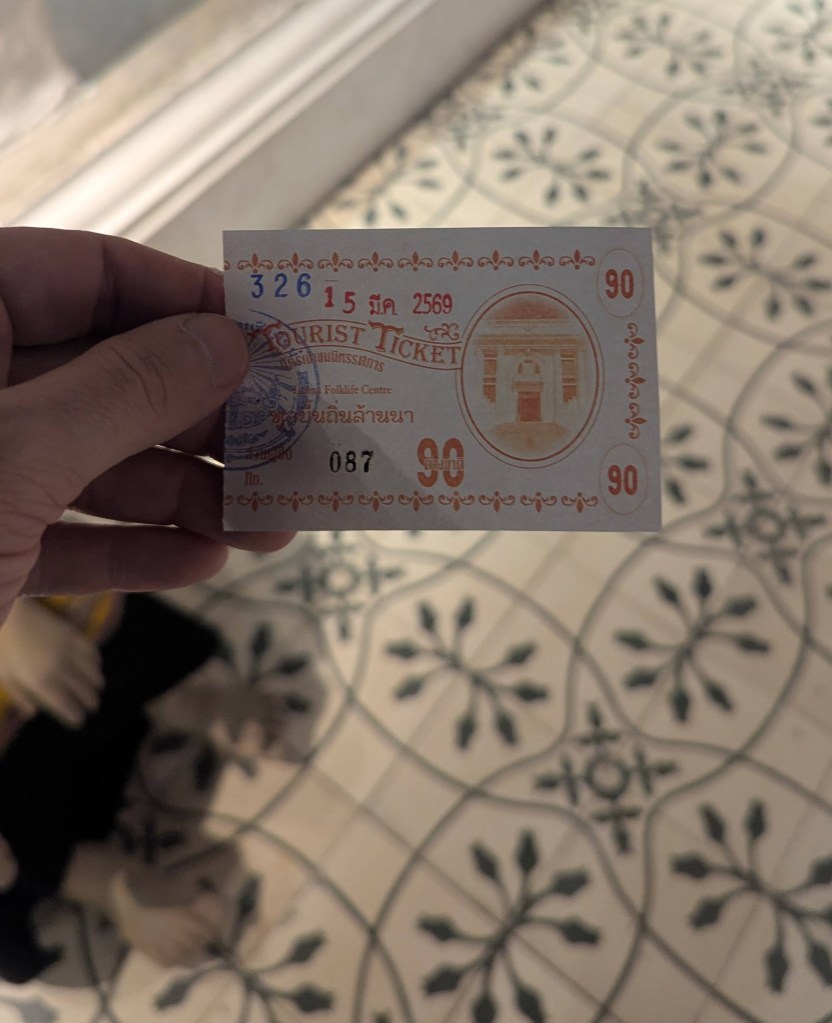
After taking pictures of some random, yet aesthetically pleasing group of people, I paid the 90 THB ($2.75 USD) entry fee at 11:37 AM and was given BOTH a paper ticket which I was told to keep AND a red sticker that I was also told to stick on my shirt in a visible spot. I wondered, where there really so many people trying to sneak in here without paying?
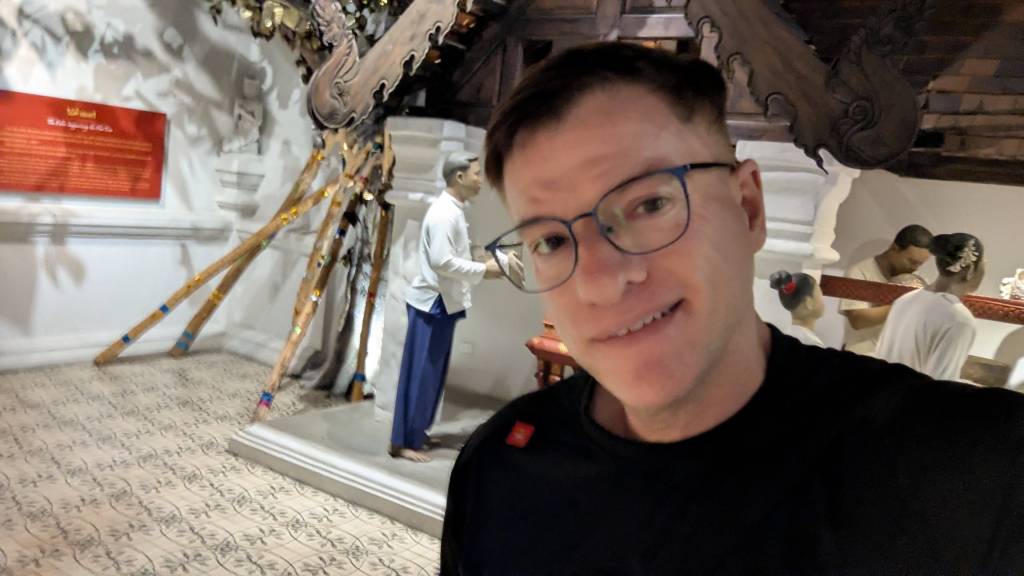
Let’s just get this out there right away, this is probably not a place to take kids. To be fair, it is probably also not a place for most adults. In general terms, the displays are done very well, and I definitely learned quite a bit from my visit. However, there is a good chance that many would quickly become bored. Still, the air conditioning works extremely well, so there are certainly worse ways to spend the hottest hours of the day. Regardless, while I do have copious notes on everything I saw, in the interest of not completely losing your interest, I will try to only mention a small number of the things that drew my attention.
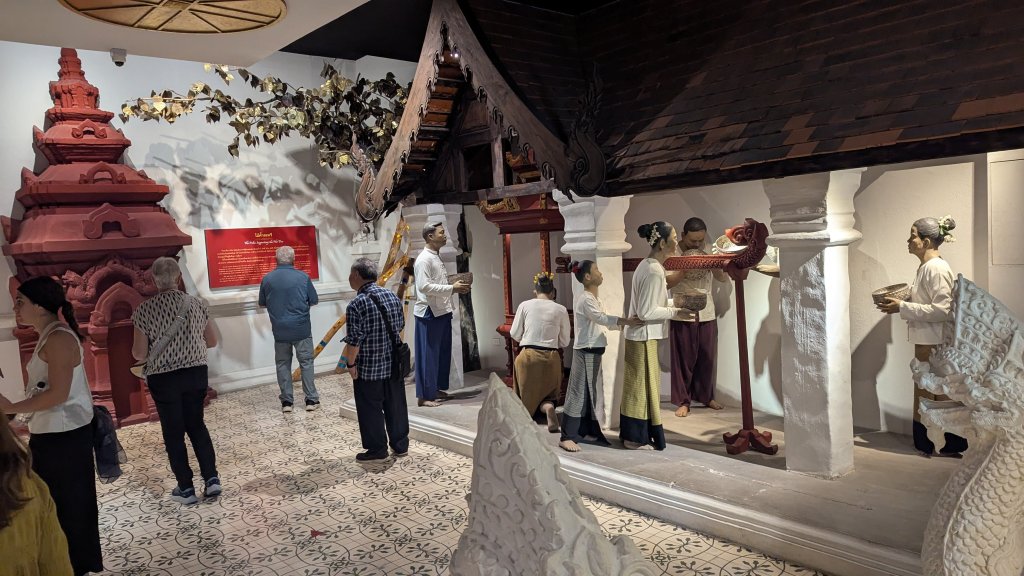
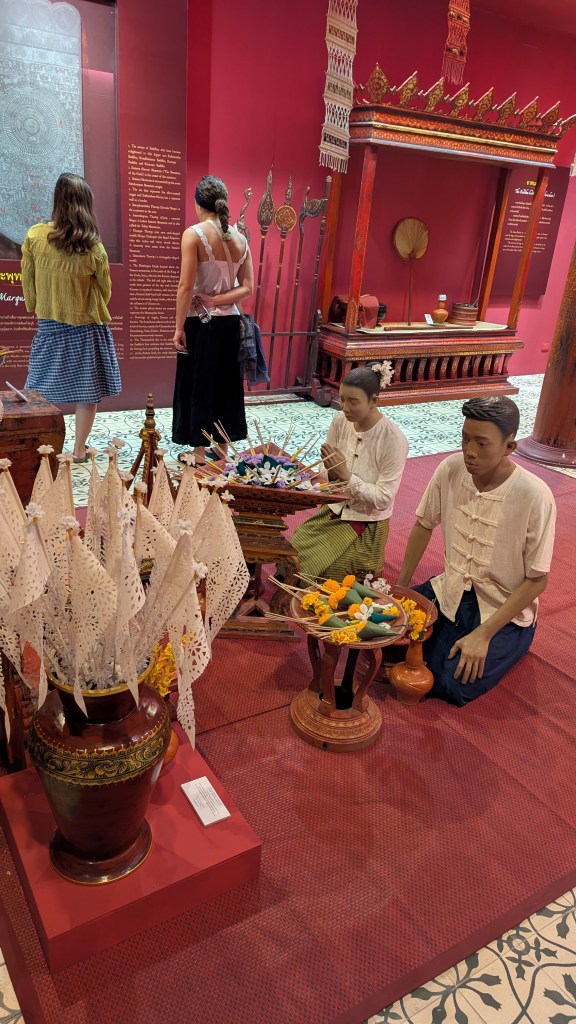
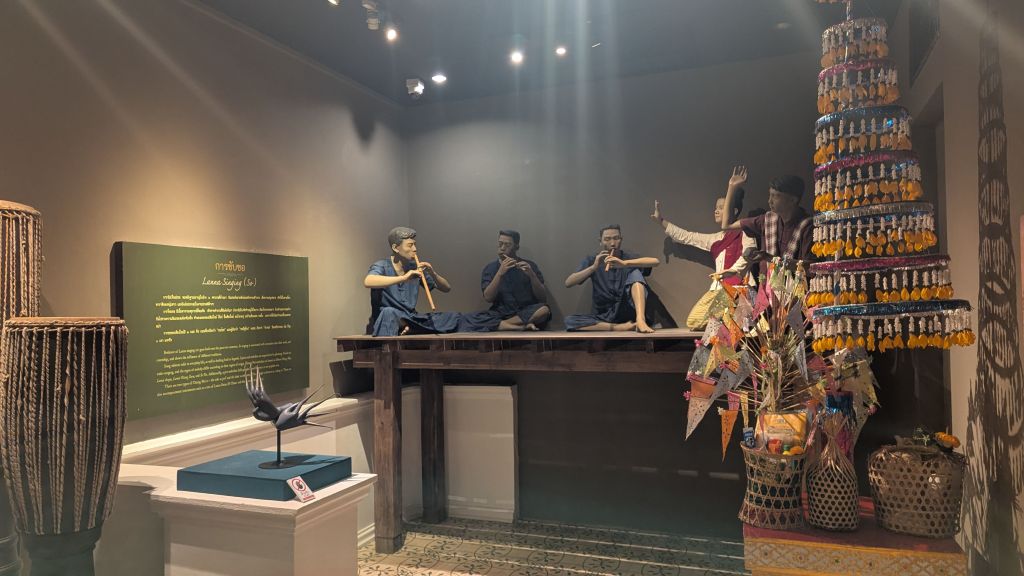
In an attempt to add some verisimilitude to the various displays, they frequently used life-size mannequins. In my opinion, these were neither realistic enough to be particularly meaningful nor fake enough looking to be just plain ridiculous. However, I know a lot of people kind of get freaked out by this sort of thing, so that might be a reason to avoid visiting.
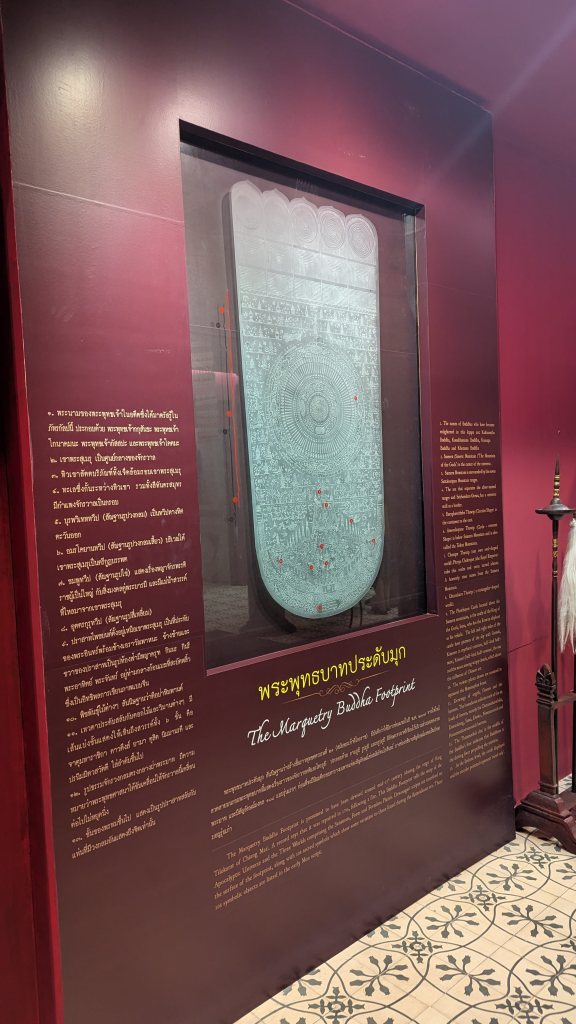
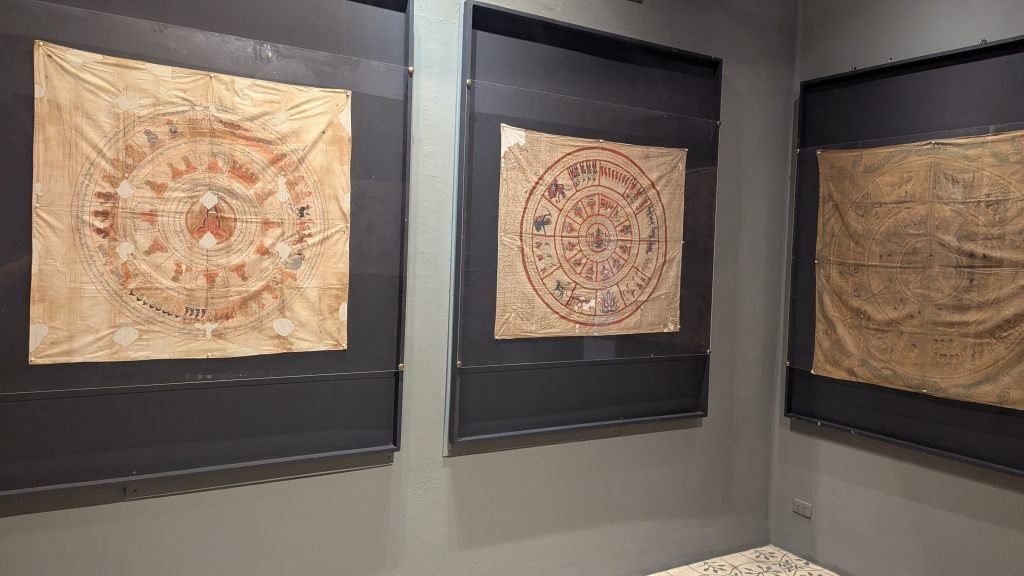
I had definitely previously seen depictions of both the “Buddha footprint” and yantra cloth, but in both cases, I had thought that they were more decorative than anything else. Here I learned that they are both actually fairly meaningful religious symbols for Buddhists, or at any rate, meaningful for Lanna Buddhists.
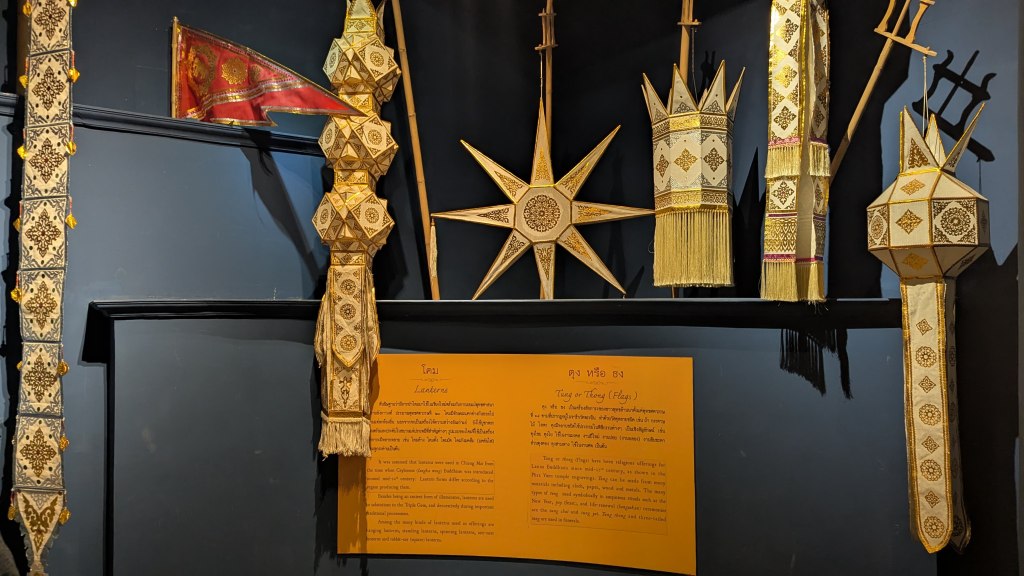
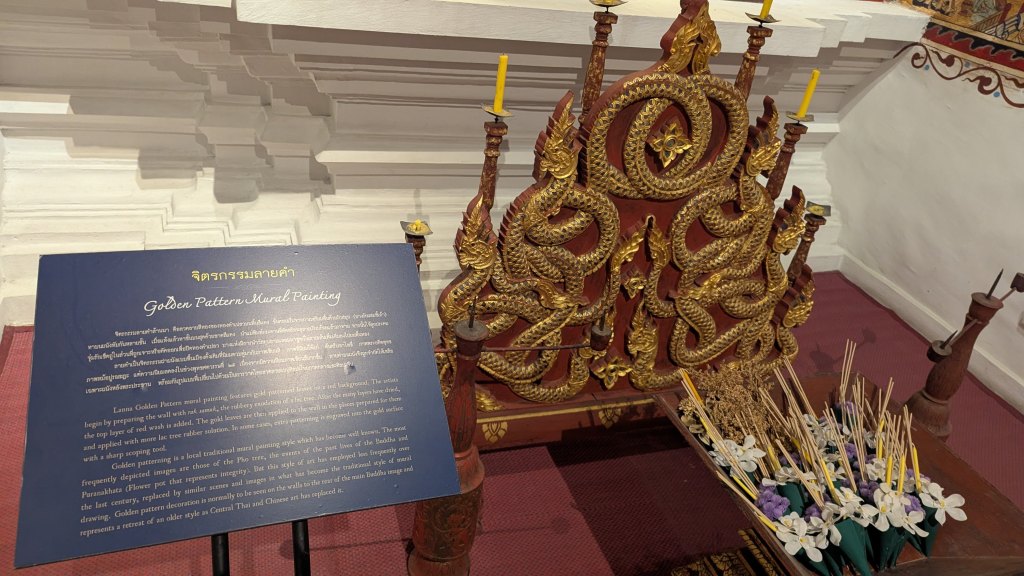
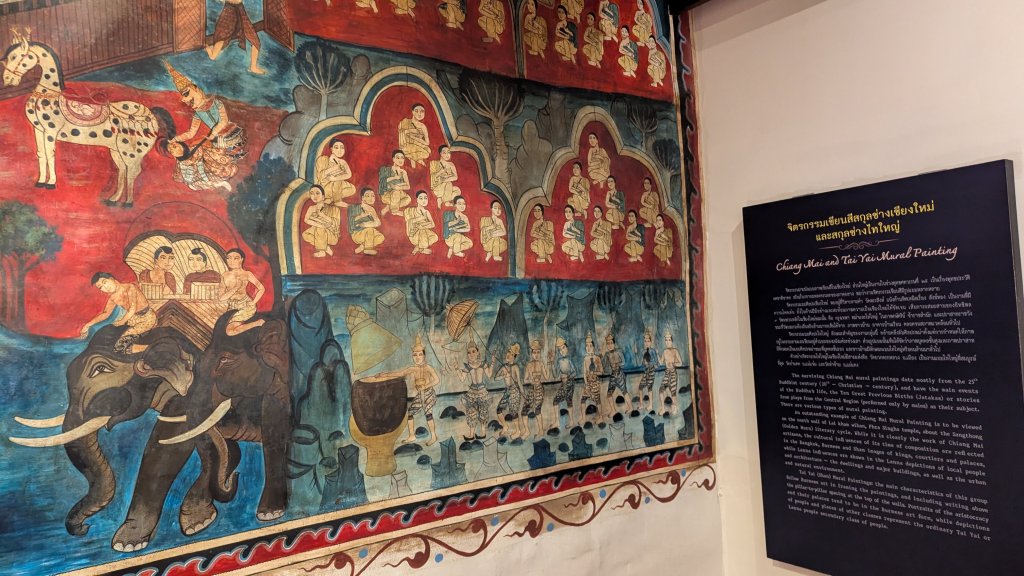
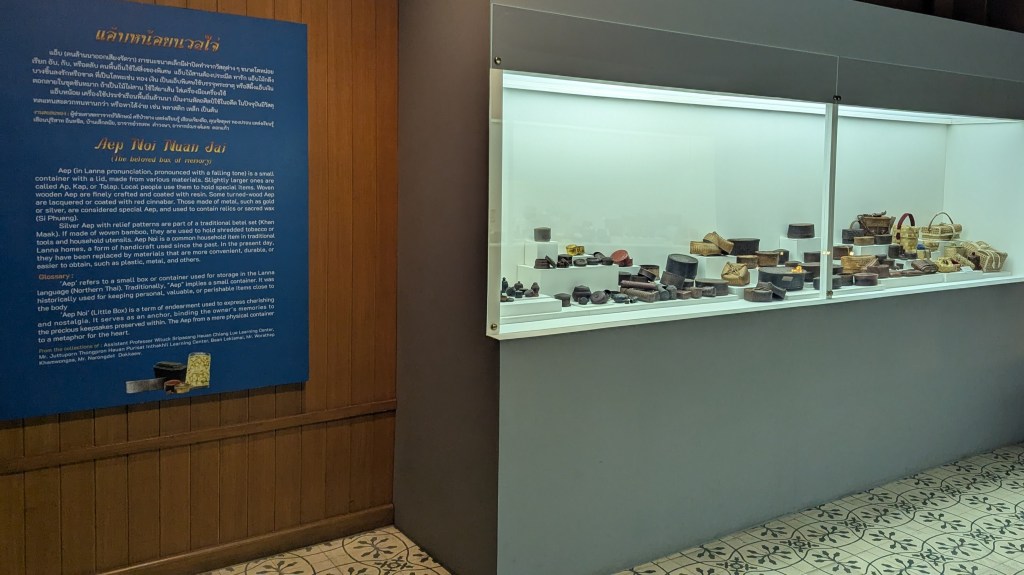
There was also this entire display on small boxes. These days, they are so easy to get that we don’t even think about them. However, not too far in the past, each one of these small containers represented an important amount of effort and sometimes intentional artistic expression by a specialized, dedicated human artisan. What does it say about us as humans that this entire craft has almost entirely disappeared? Is it simple progress, or have we lost something important? Should we care?
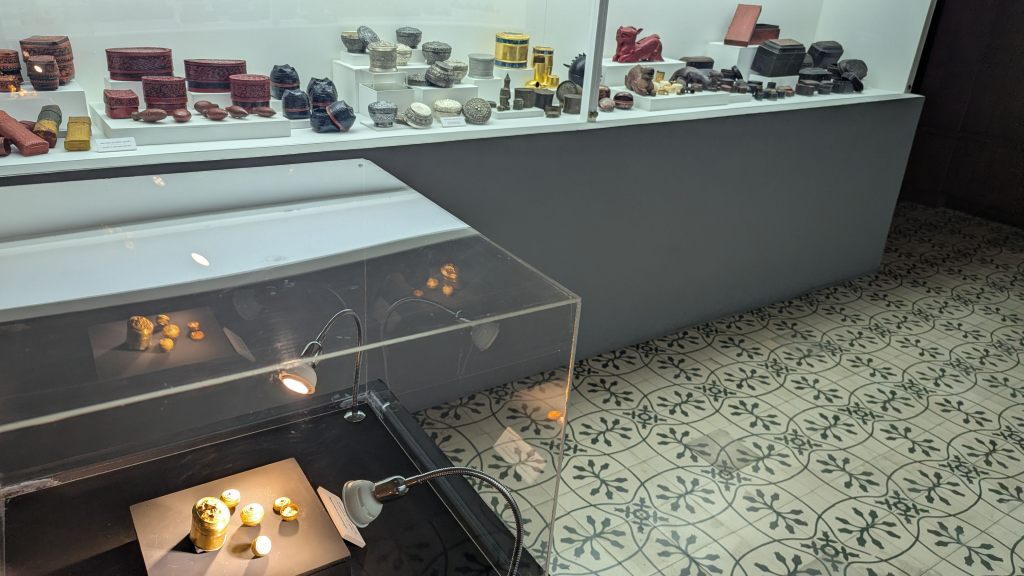
The curators specifically lamented that the art of making wooden covers for palm leaf manuscripts had almost entirely been forgotten. Connected to my thoughts about boxes, once again I wondered, is this really a legitimate concern? In the case of small boxes, at least we regularly still use those, but who writes on palm leaf these days? Does everything have to be preserved if it has been replaced by something which is functionally better? I suppose it is useful to have records about how to make and operate hand looms for cloth and wicker baskets, but is it actually a valuable or at least meaningful use of time for humans to still be making these things by hand? I am certainly not trying to dissuade anyone who genuinely wants to do these things, but should we actually be encouraging people to do them? I just don’t know.
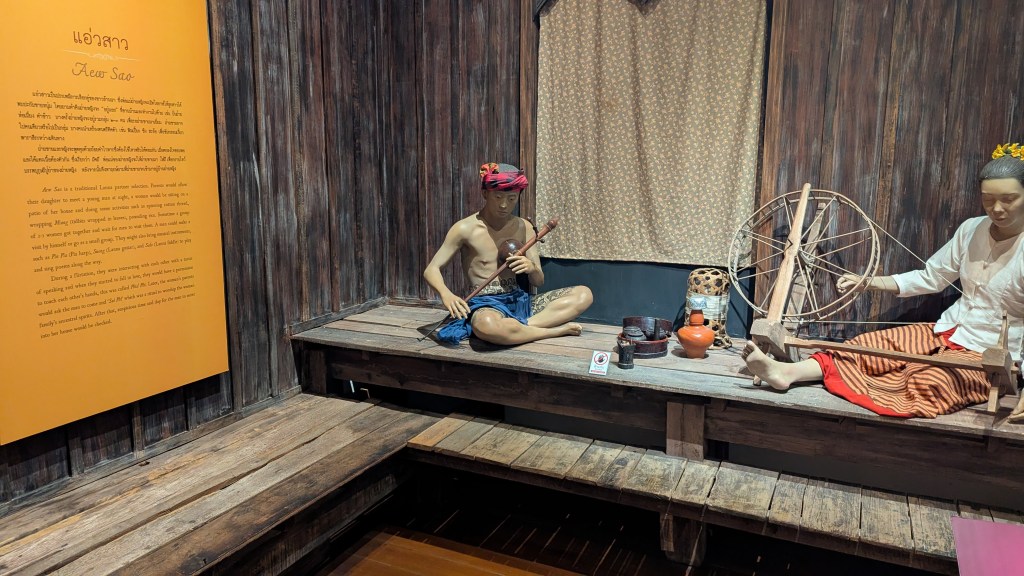
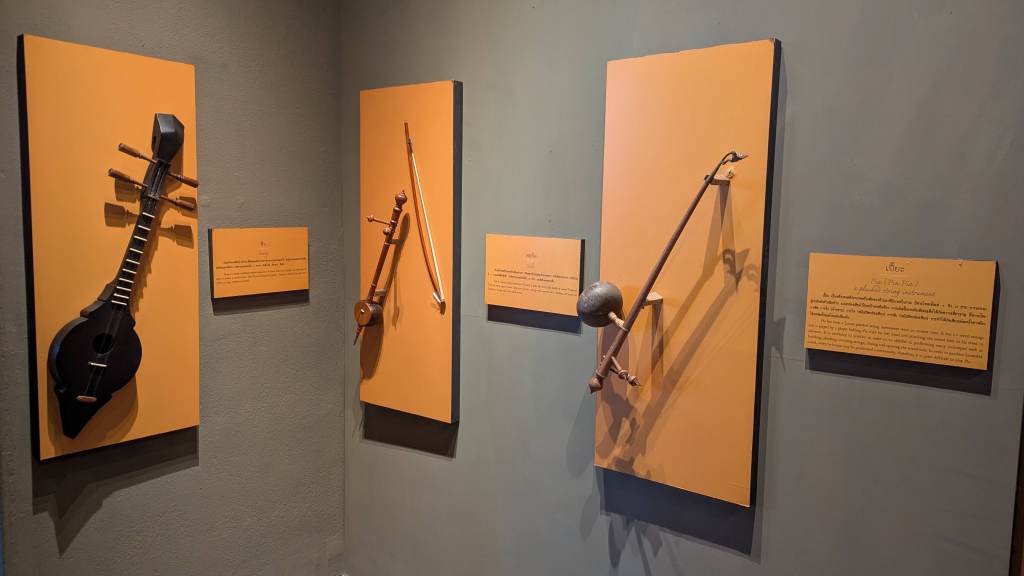
Reading about the Lanna “traditional partner selection” ceremony, I had to confess that I had my doubts. I mean how big were these villages? It seemed very unlikely to me that young people would not have had any sort of meaningful contact between each other before this sort of “fairy-tale” arranged meeting on the front porch. Nevertheless, it was a moderately interesting story. Separately, it drew my attention that upon marriage, the young man would go to live with the woman’s family . . . so was this a matrilinear society?
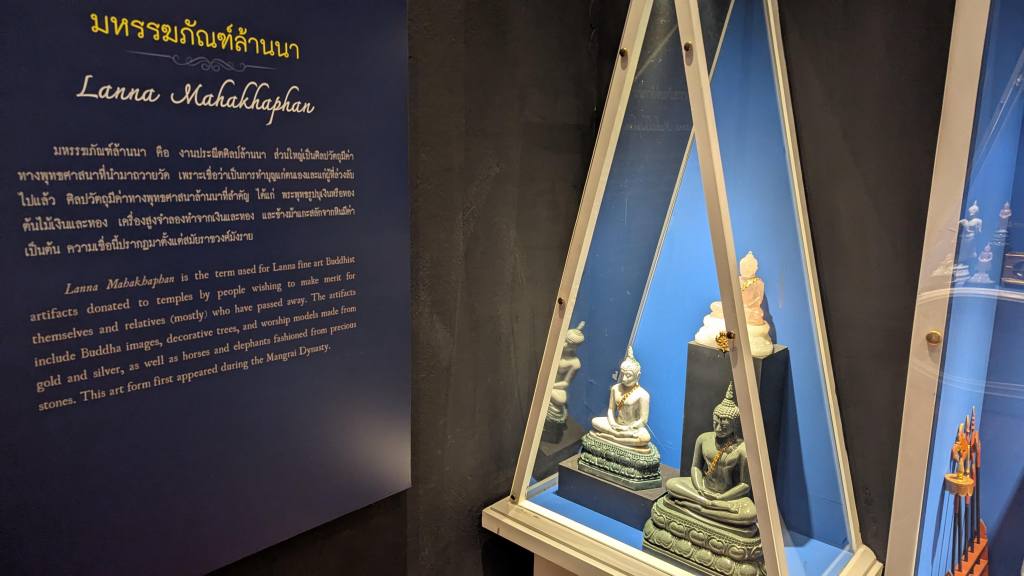
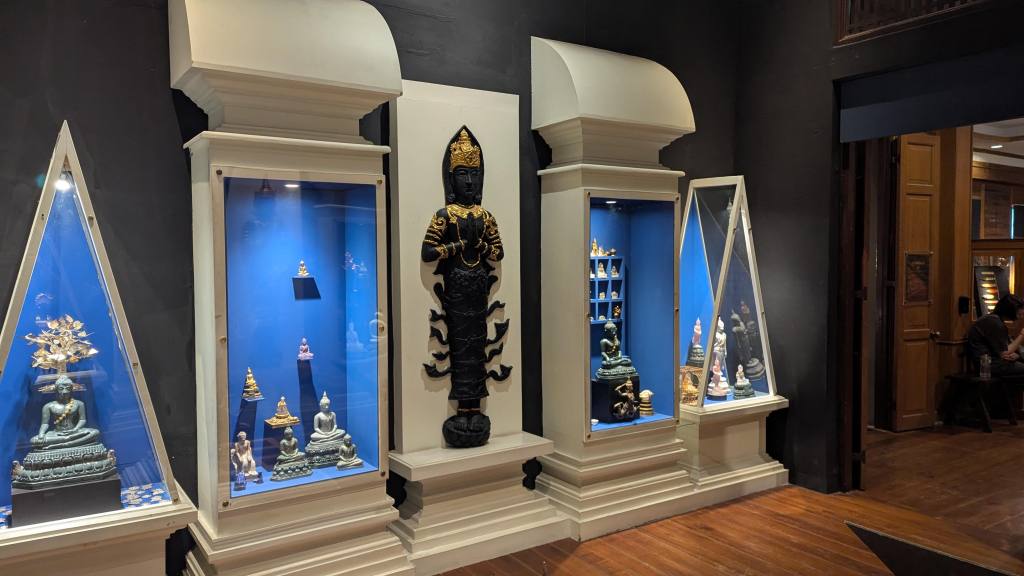
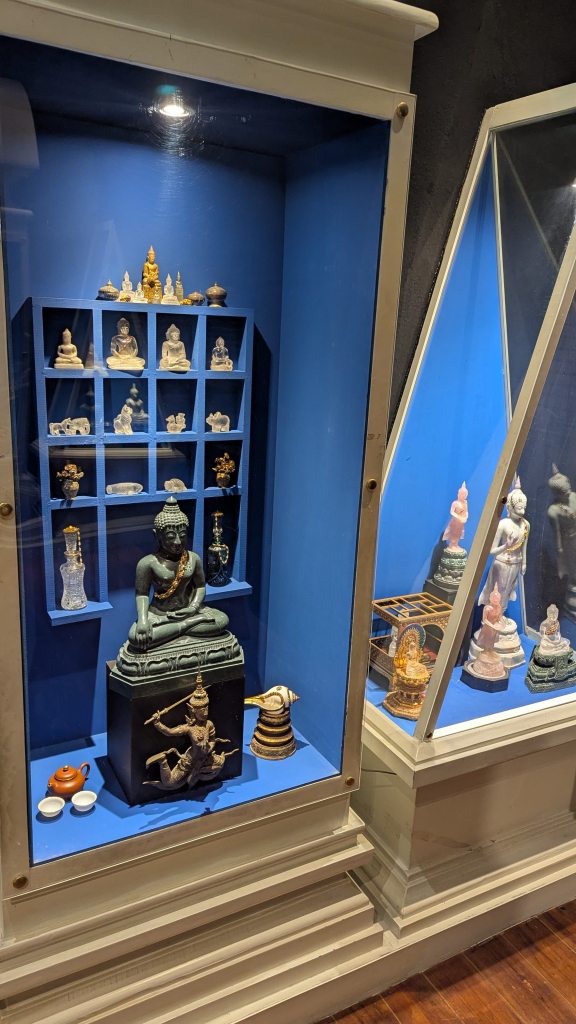
While I admired all of the Buddha statues and related artifacts, they caused me to have a thought similar to one which I had entertained the day before. Evidently these are (or used to be?) donated to temples in order to gain spiritual favor. I know something similar happens in different religions around the world, but does this really make sense? Wouldn’t a god or spiritual being, or even a good community leader, prefer for people to use their excess resources to care for those in need or simply to elevate society as a whole? How does putting yet another beautiful religious symbol which presumably cannot even be sold, even help the temple itself, let alone the people who espouse that particular religion?
I have had similar thoughts when visiting La Basilica de Nuestra Señora de los Ángeles in Cartago, Costa Rica. There you can find all sorts of gold symbols and trinkets which have been left as thanks for miracles which are attributed to “La Negrita.” Let us assume that “La Negrita” actually interceded with God in order to grant a miracle to a petitioner. Why would this version of the Virgen Mary or Jesus want gold trinkets to be left in a church? Once again, putting disbelief aside, what does God actually want of a devoted follower? At least from my point of view, it seems unlikely that it is more beautiful statues or gold trinkets . . .
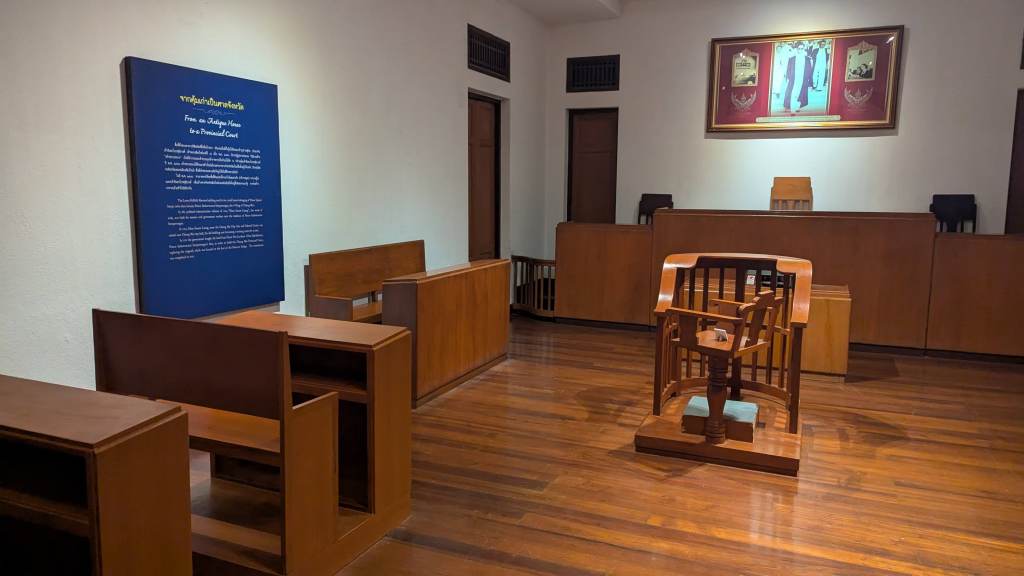
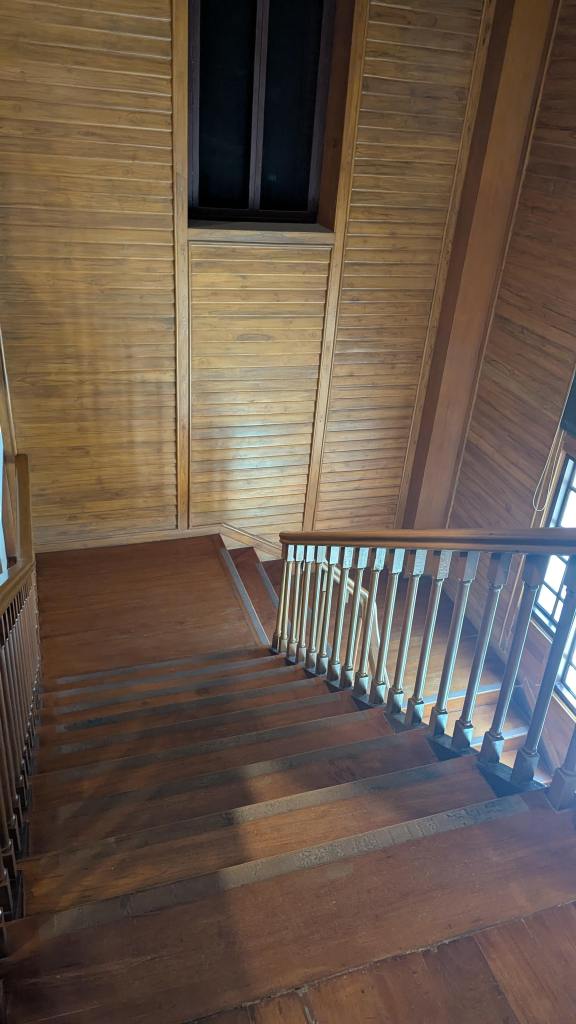
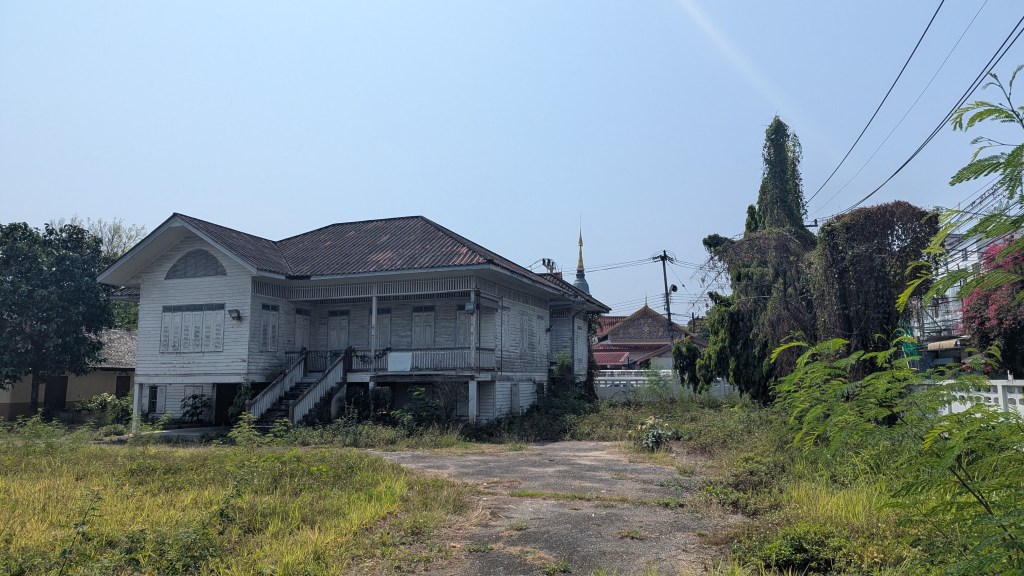
At 1:44 PM, I was getting ready to finish up. While not the primary purpose of the visit, it was interesting to see that the building itself has gone through several transformations over the year. Evidently, it was first a prince´s house. Later on, it was used as a court building. And now, it is a museum. What will come next?
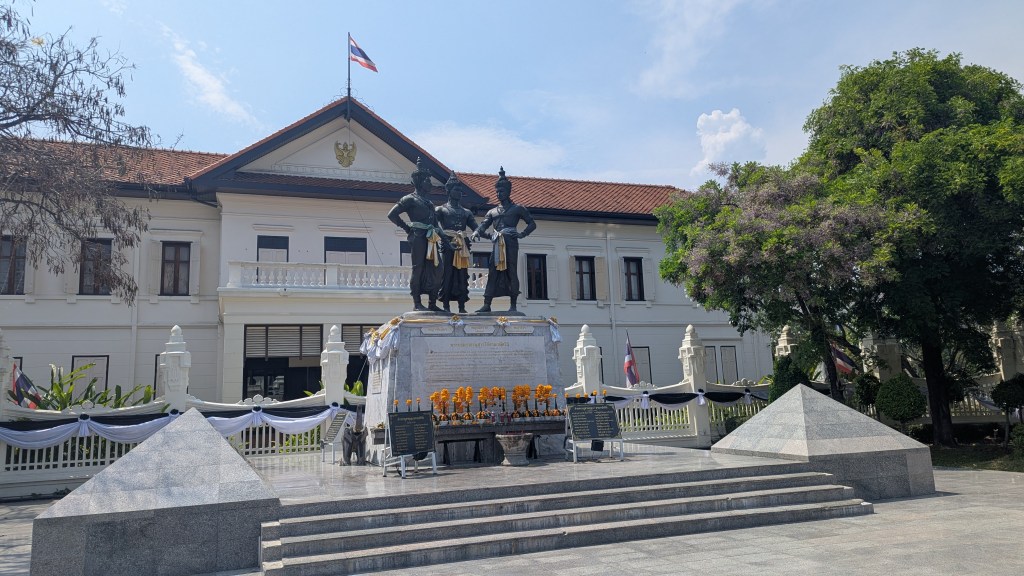
Right across the street, in front of the museum, is the three kings monument. As far as monuments go, it´s not visually all that impressive, but there is a good message attached. I didn´t spend much time checking out the detailed history, but the story goes that these three kings decided to stop having regional conflict so that through cooperation they could instead focus on improving life for the people of all three kingdoms. I´m sure it is more nuanced than that, but it´s certainly a feel good story.
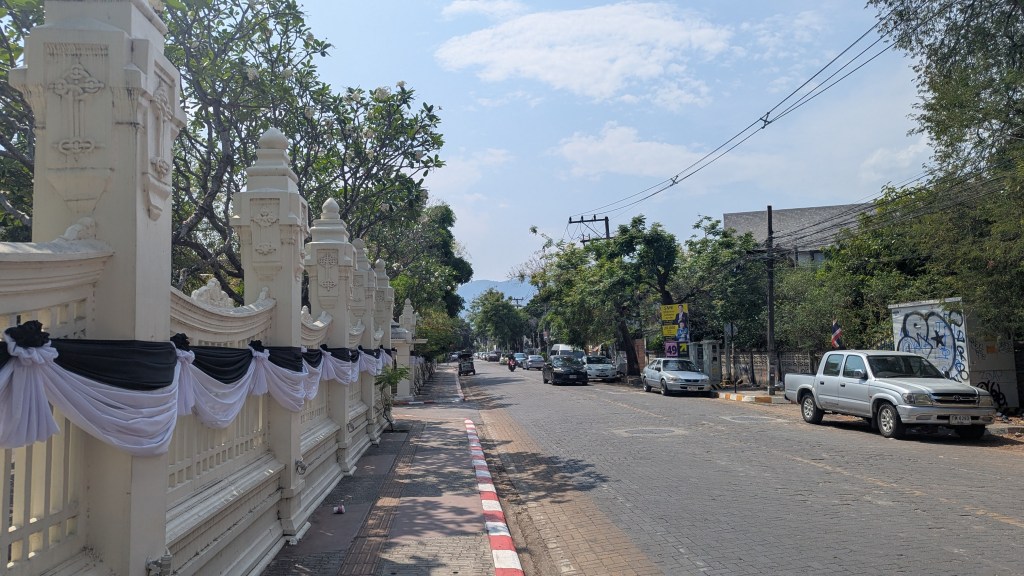
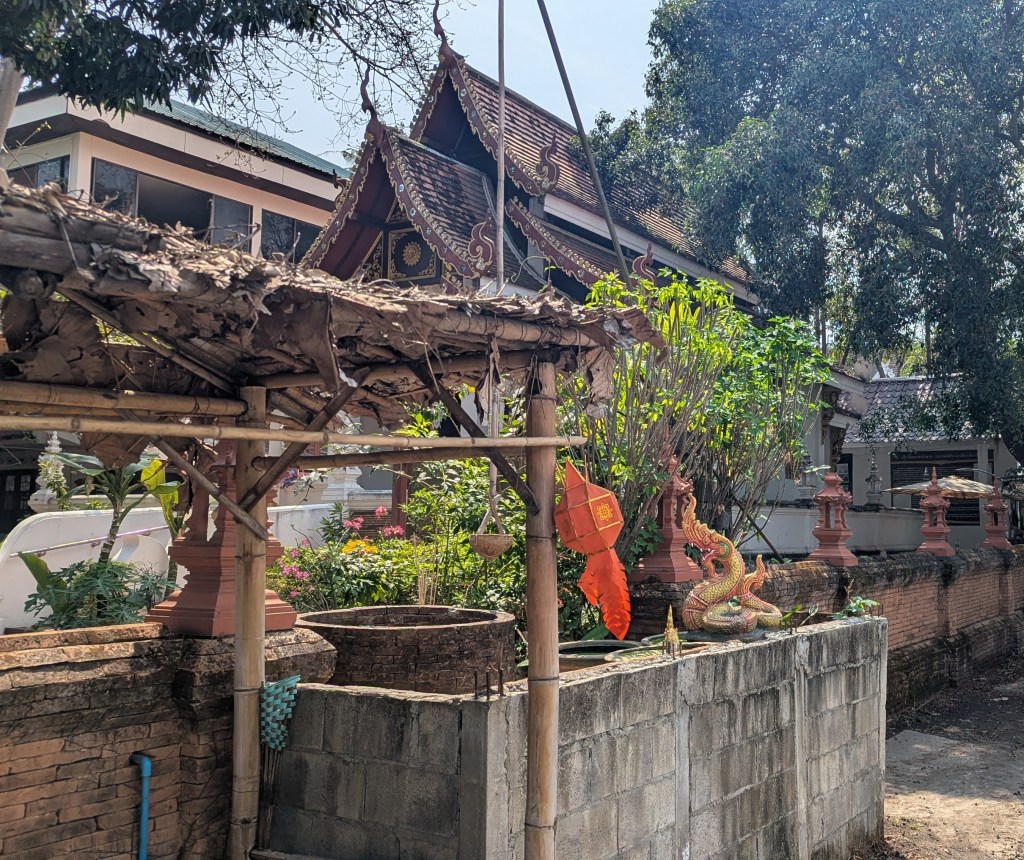
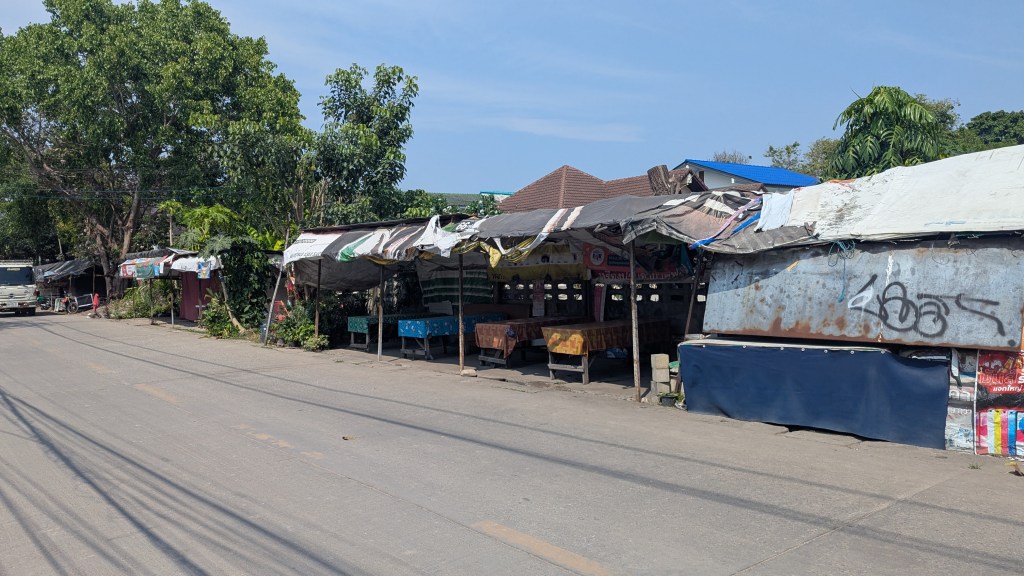
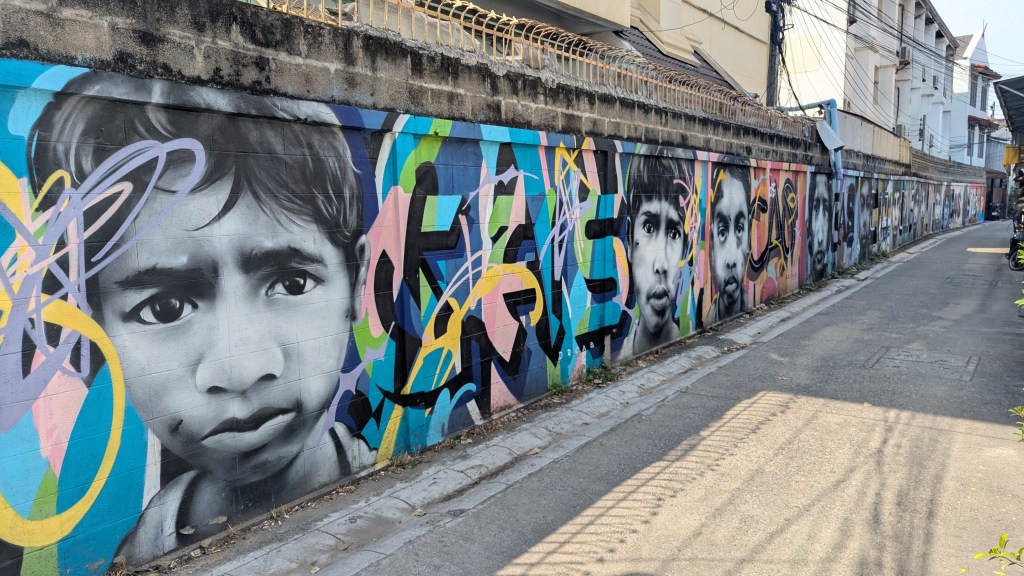
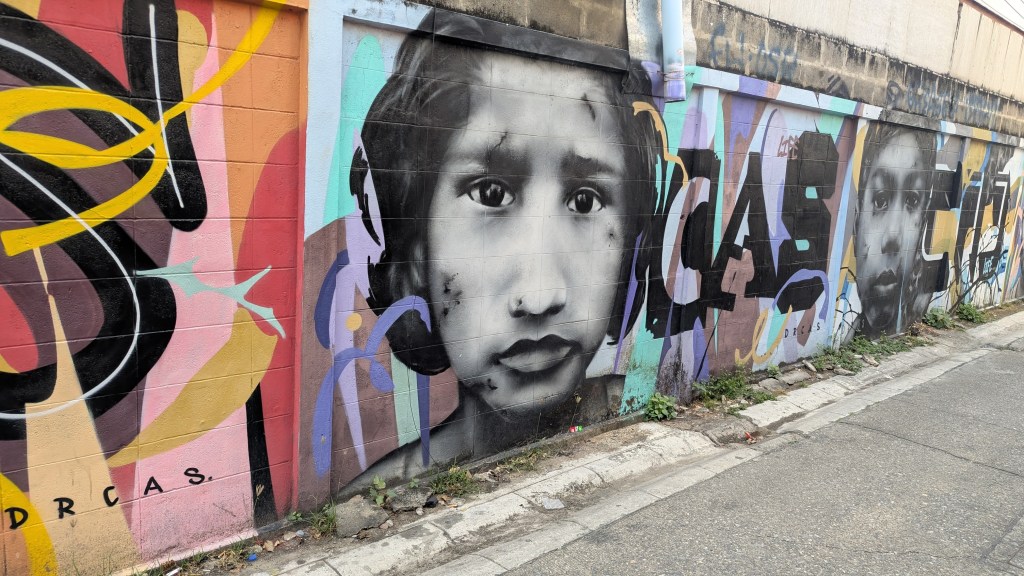
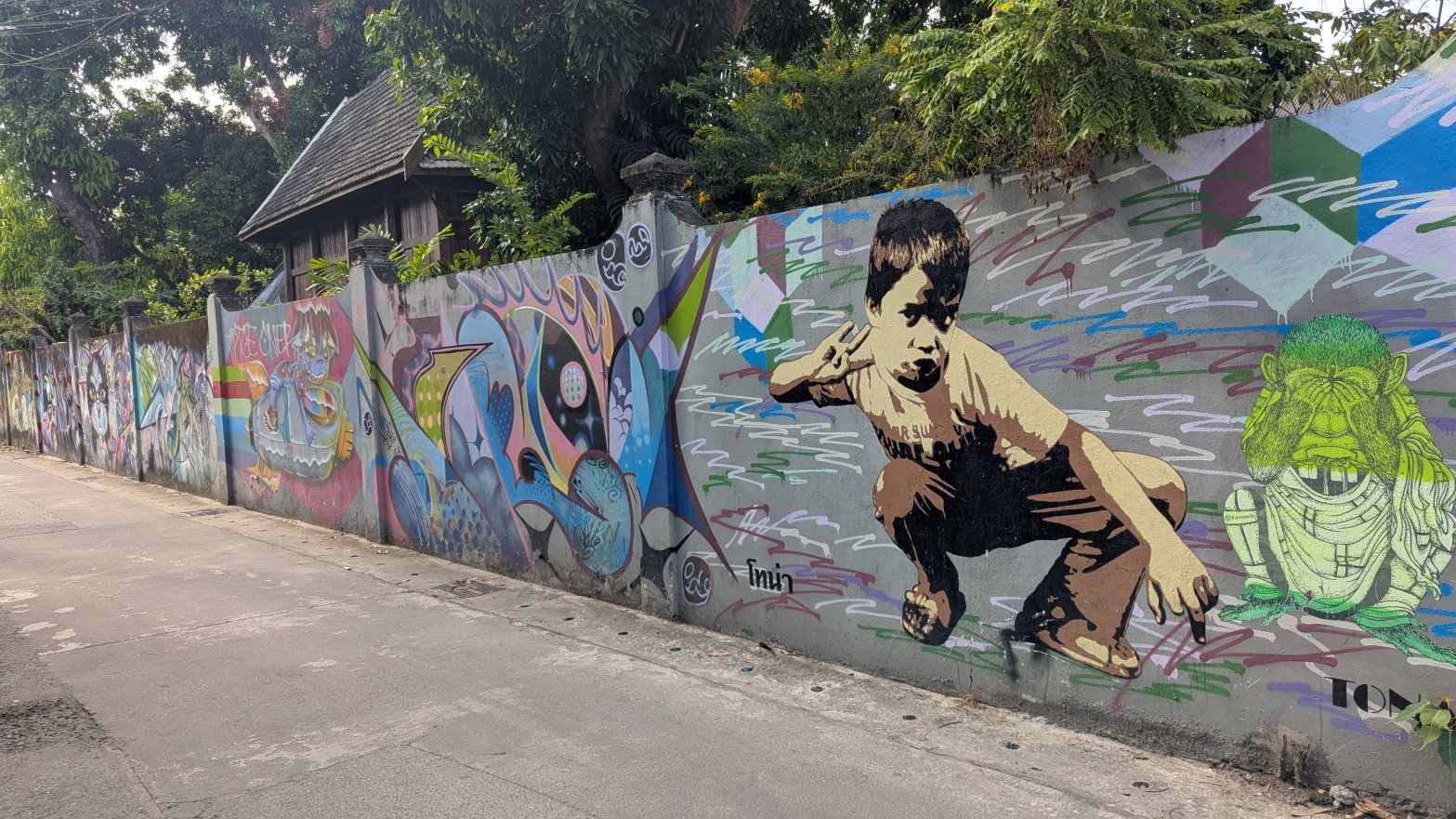
Walking east from the monument, at 2:20 PM, I came across these street paintings of children. I found some of them to be incredibly realistic, almost like black and white photos. But there was also a lot of other street art in the nearby areas.
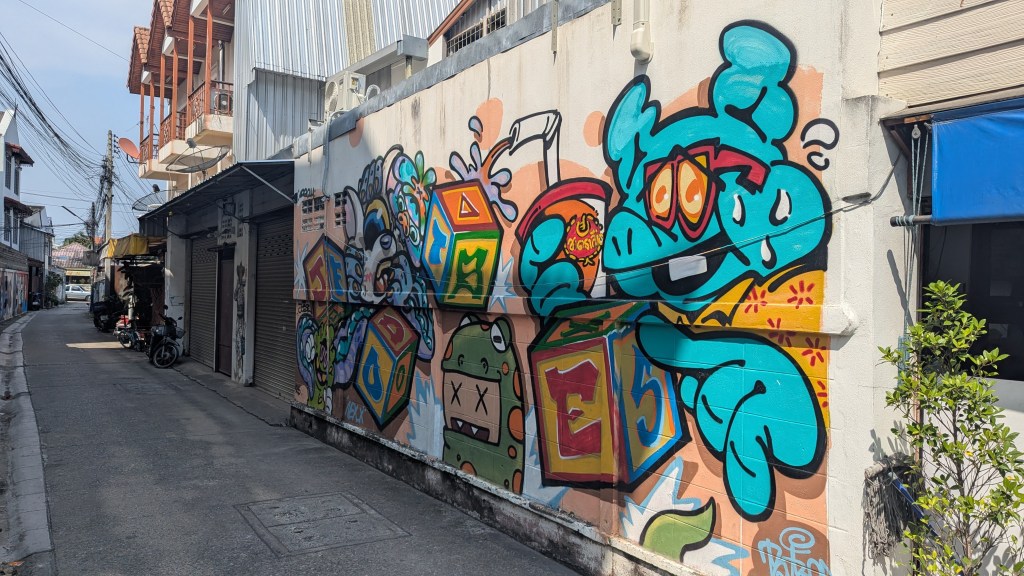
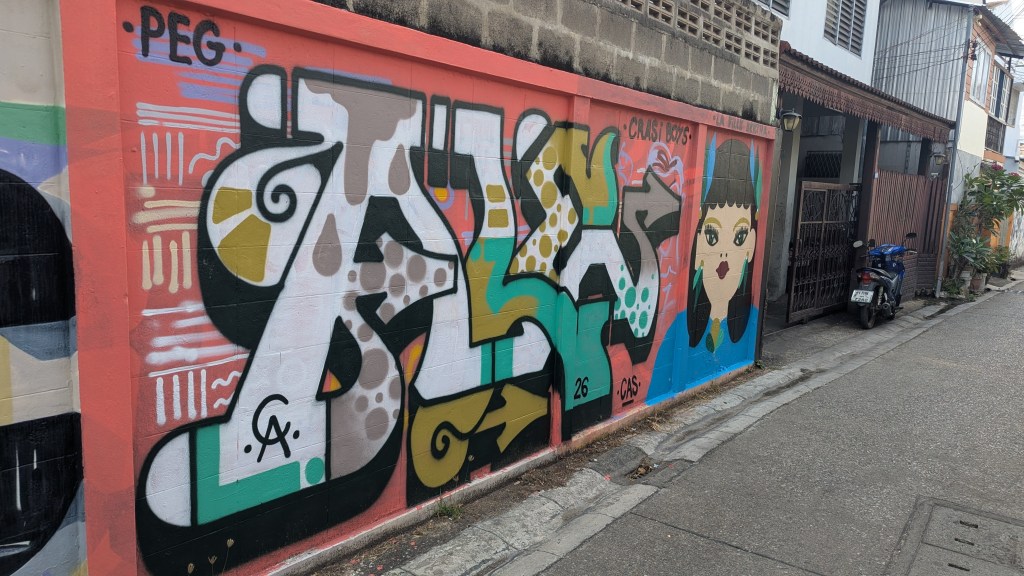
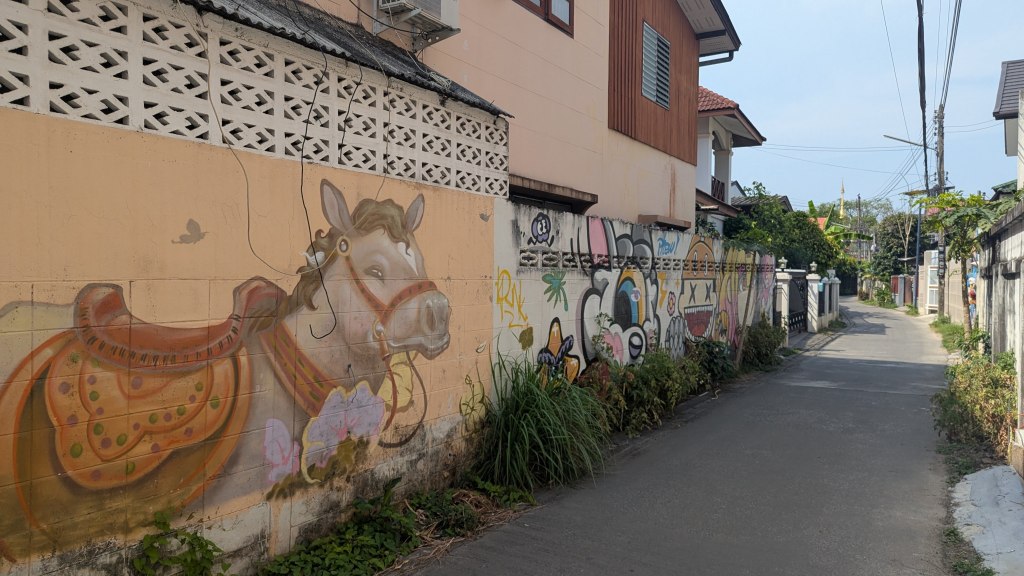
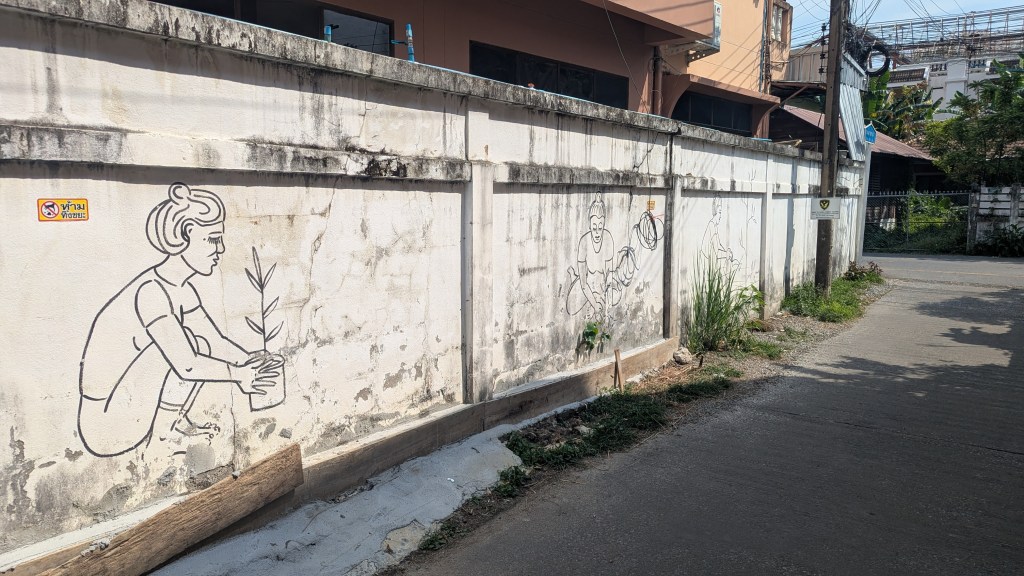
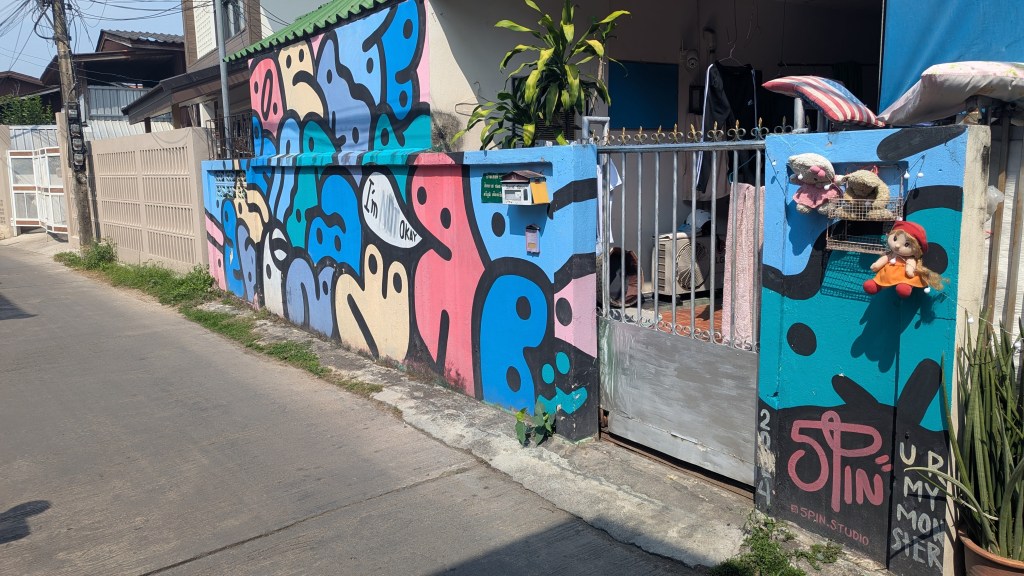
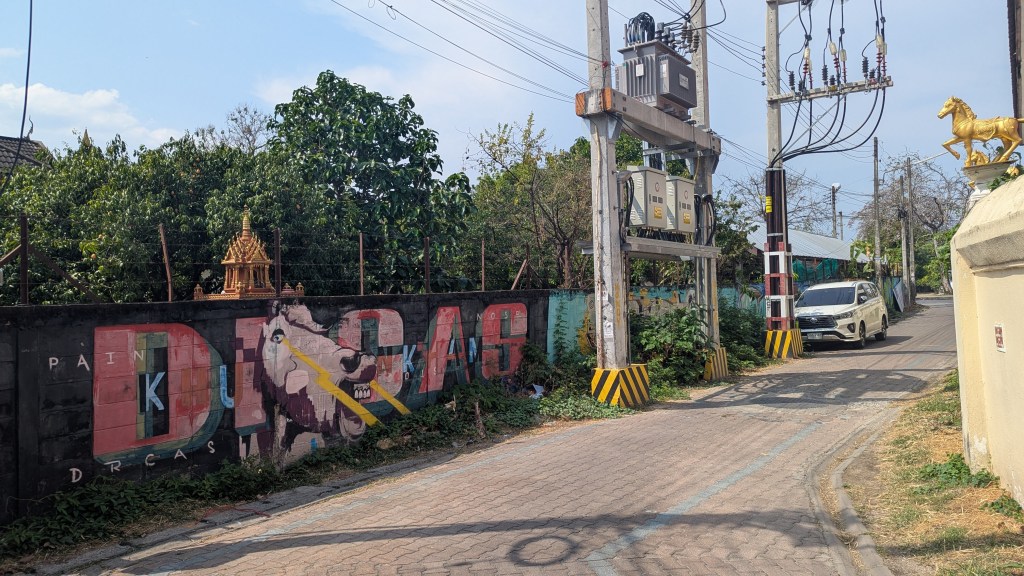
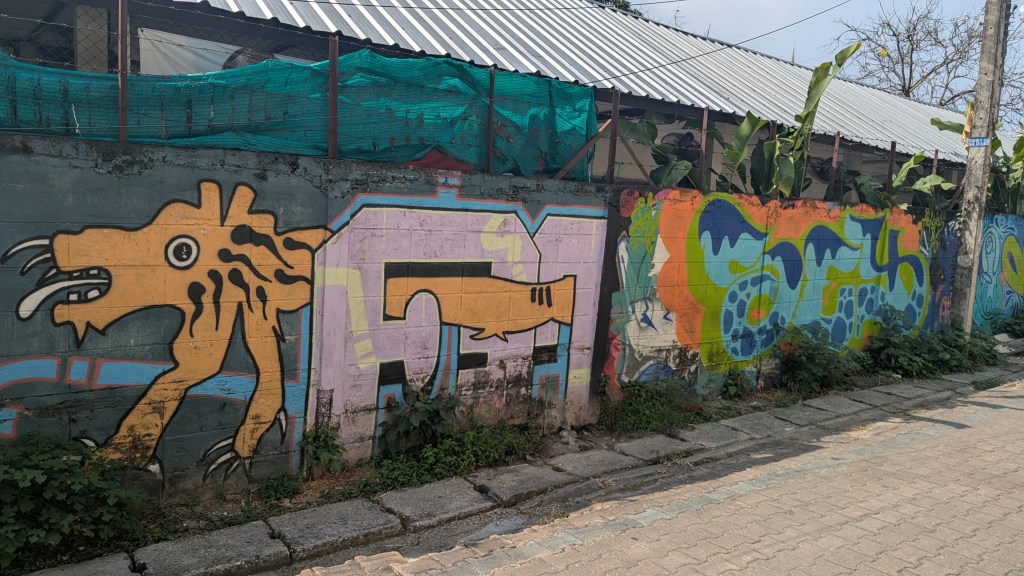
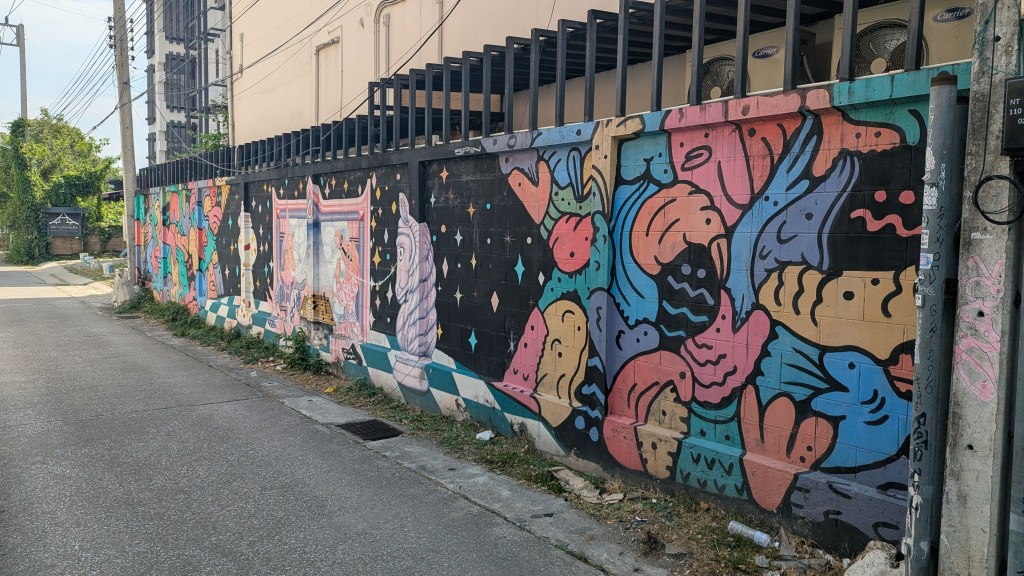
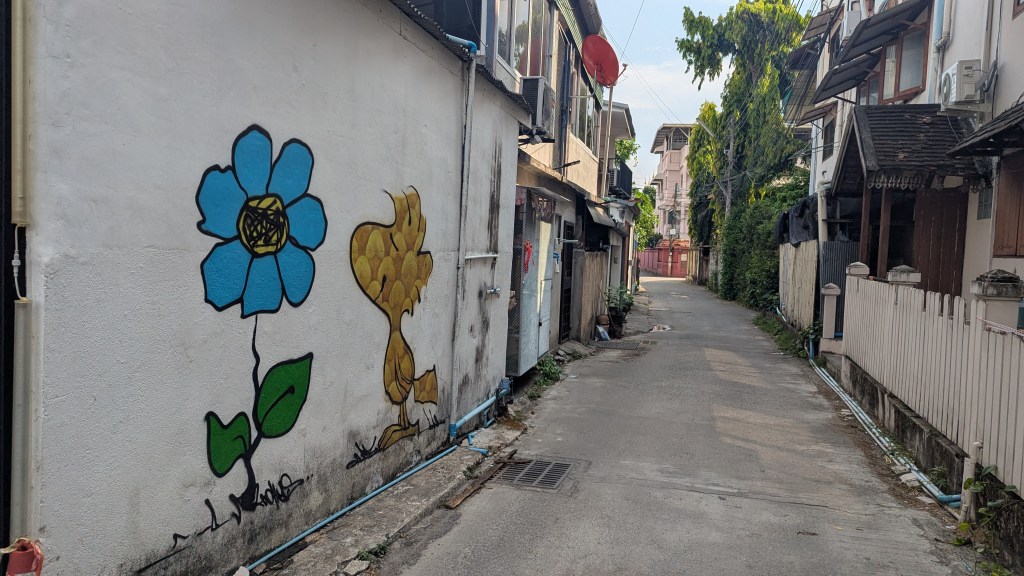
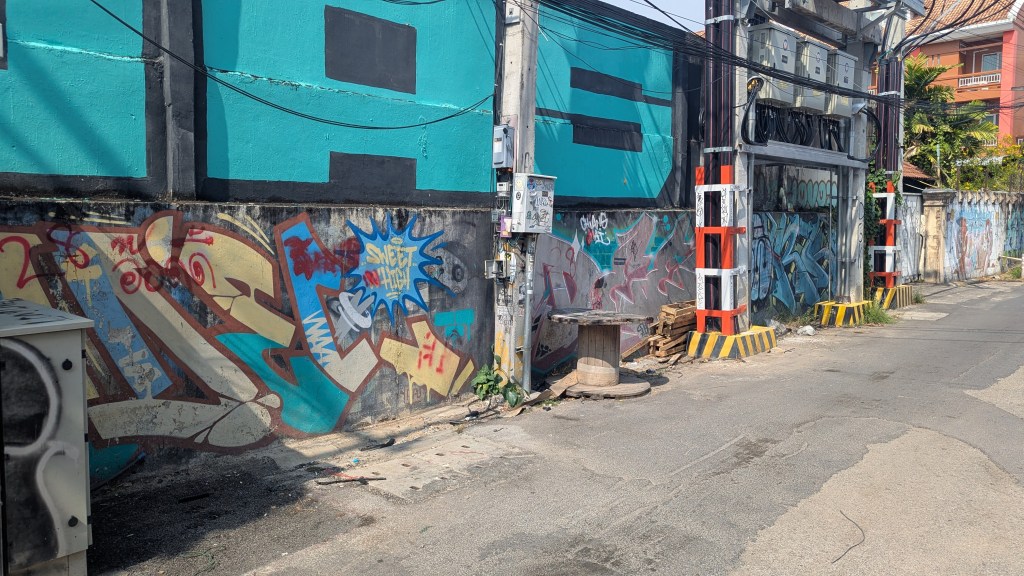
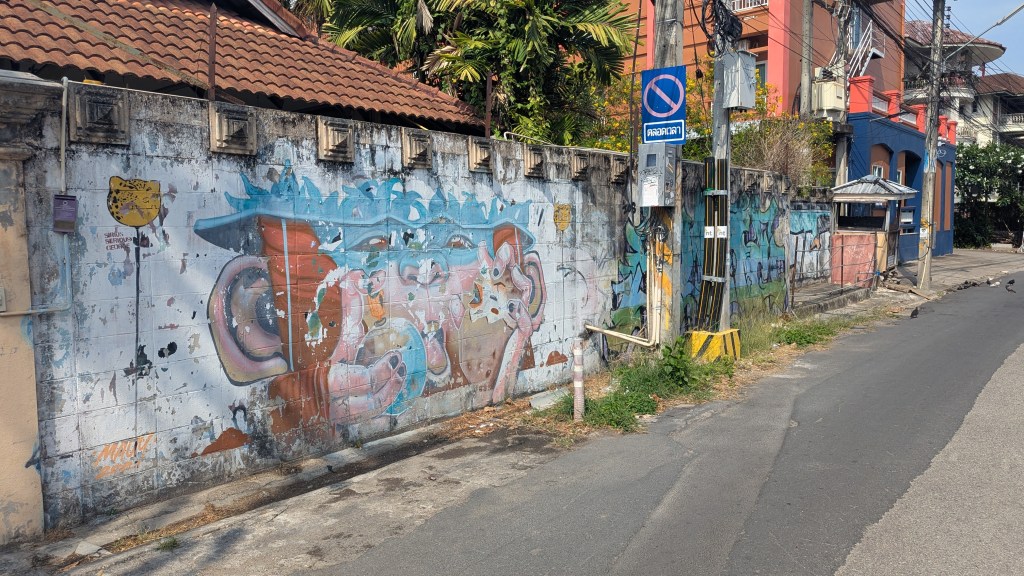
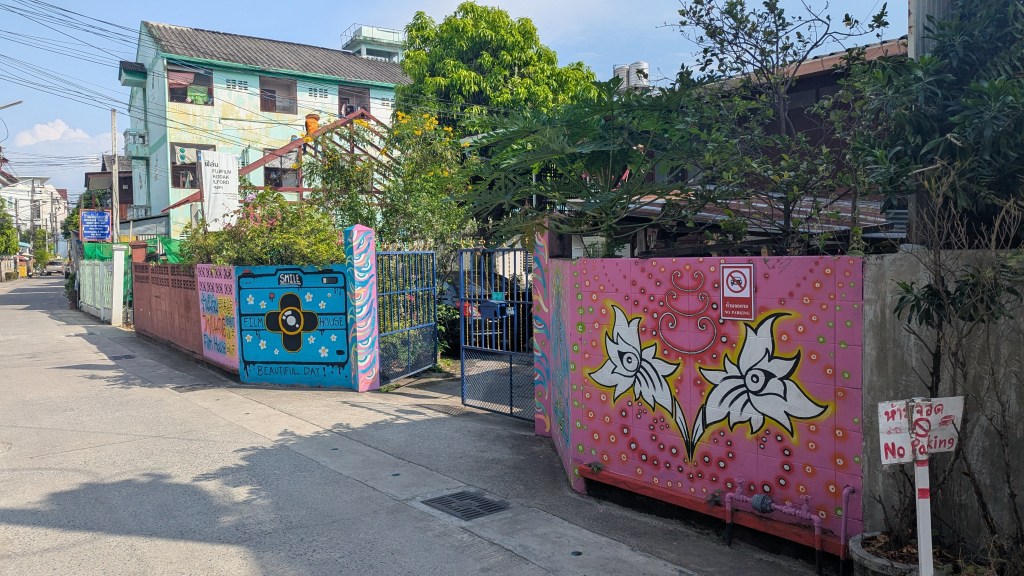
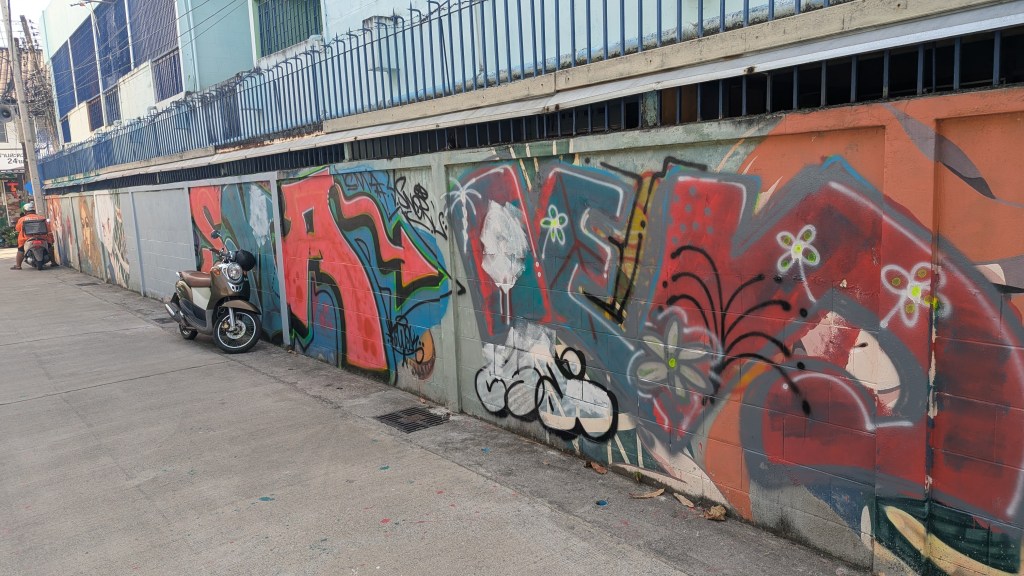
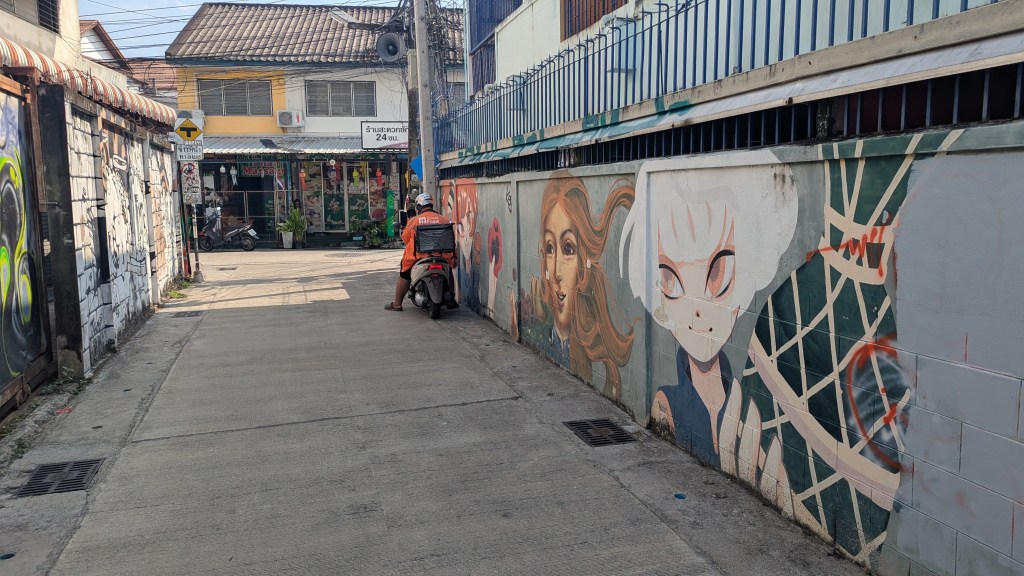
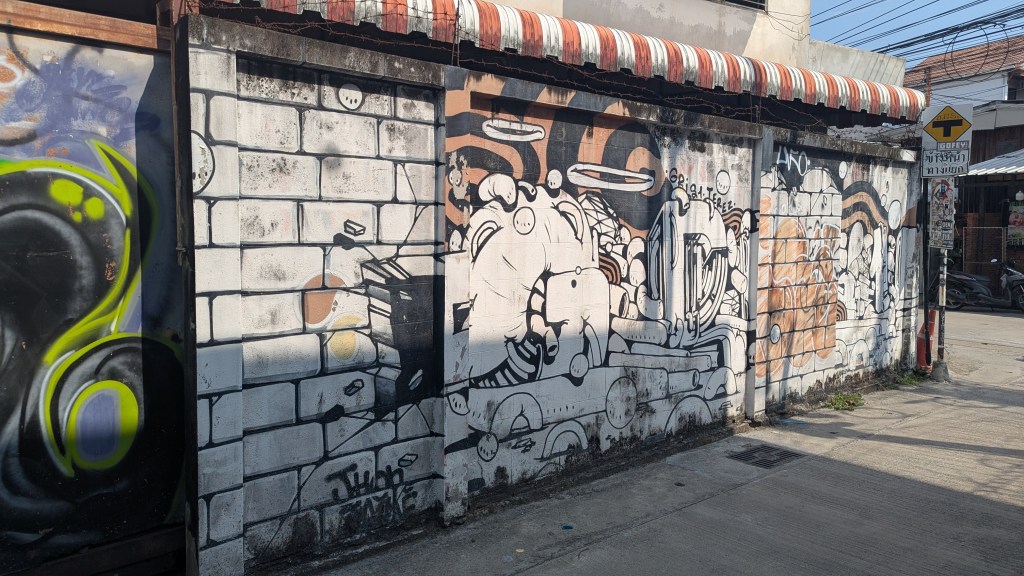
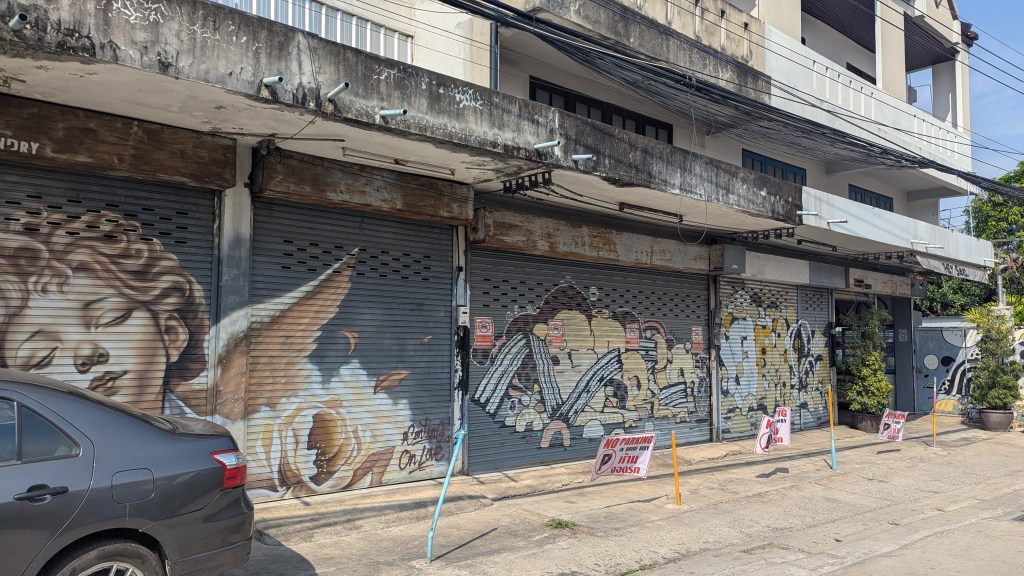
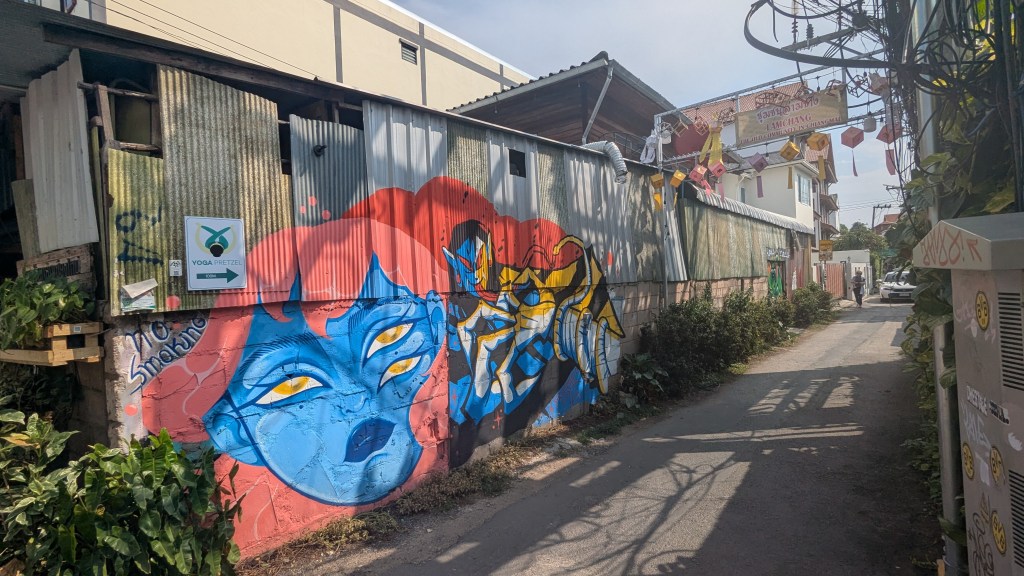
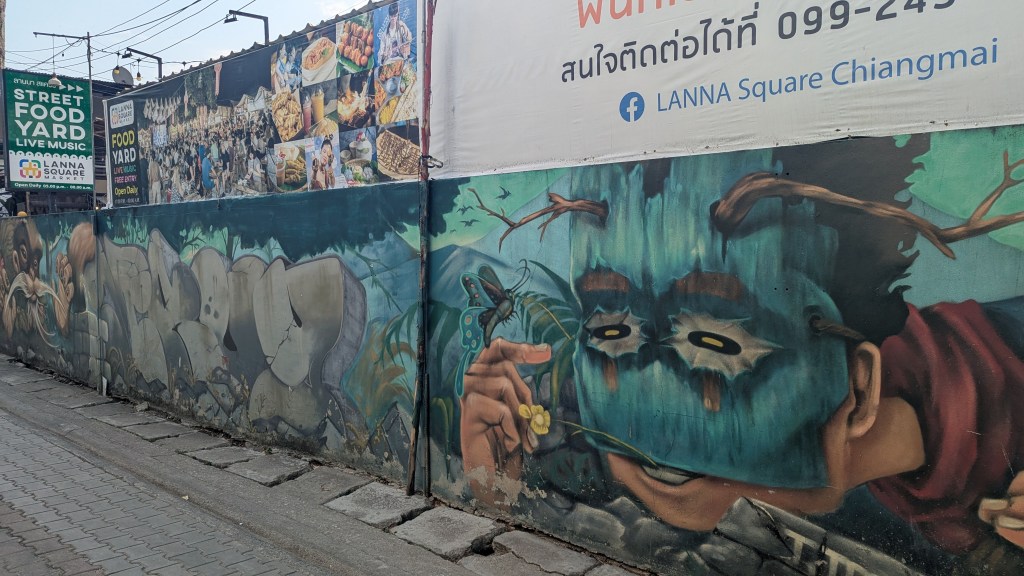
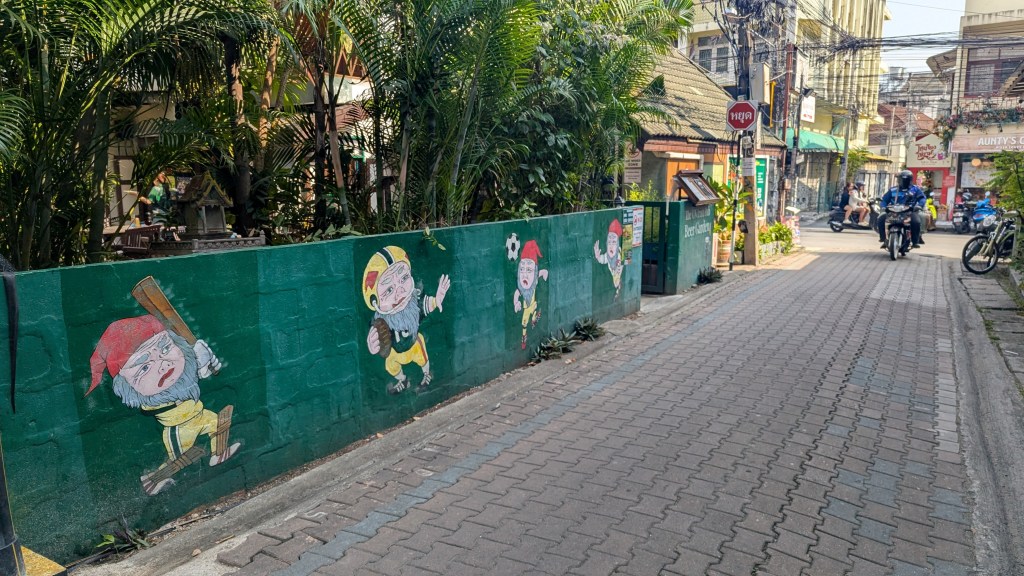
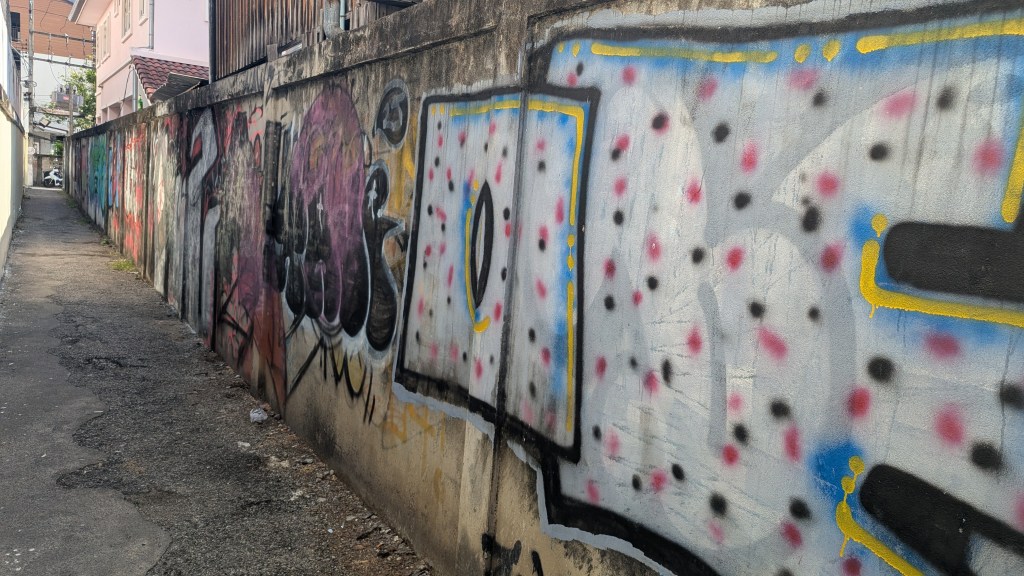
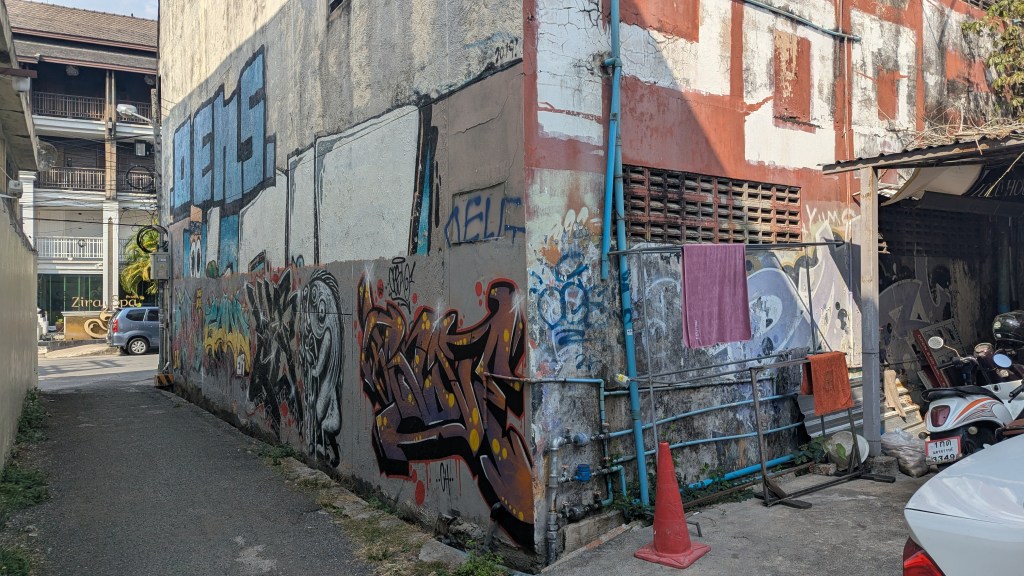
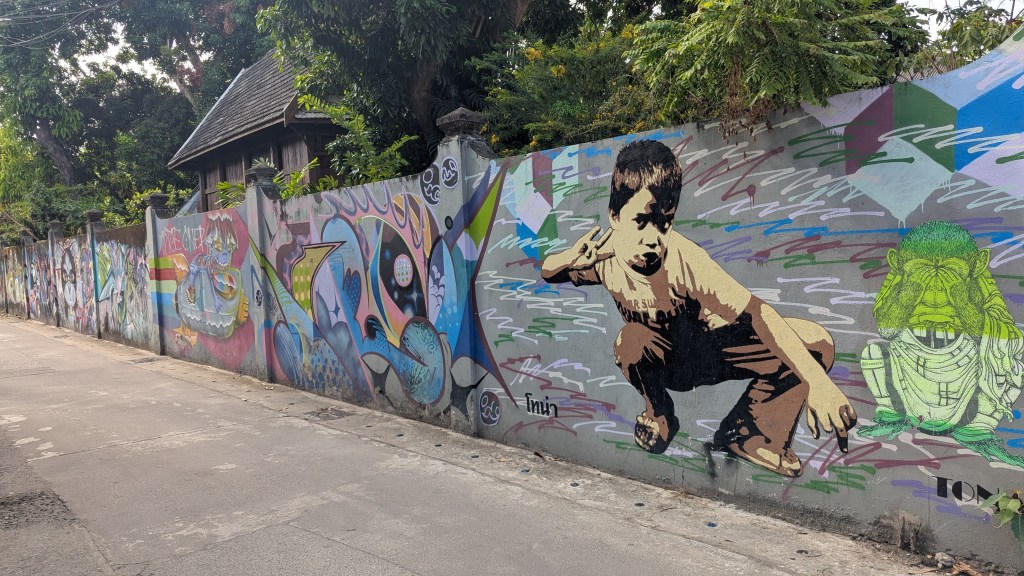
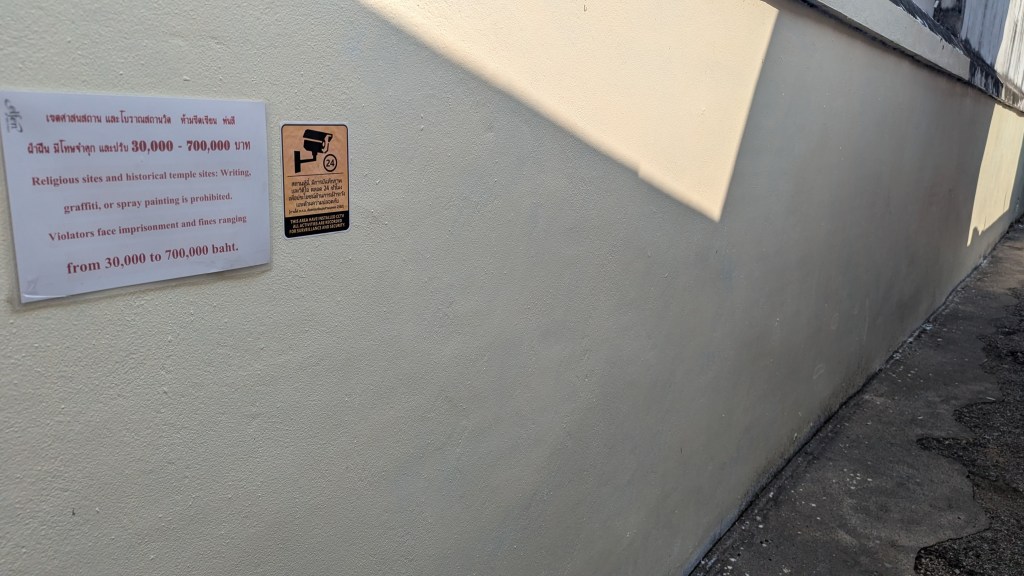
It is worth noting that clearly not everyone in Chiang Mai was appreciative of the street art.
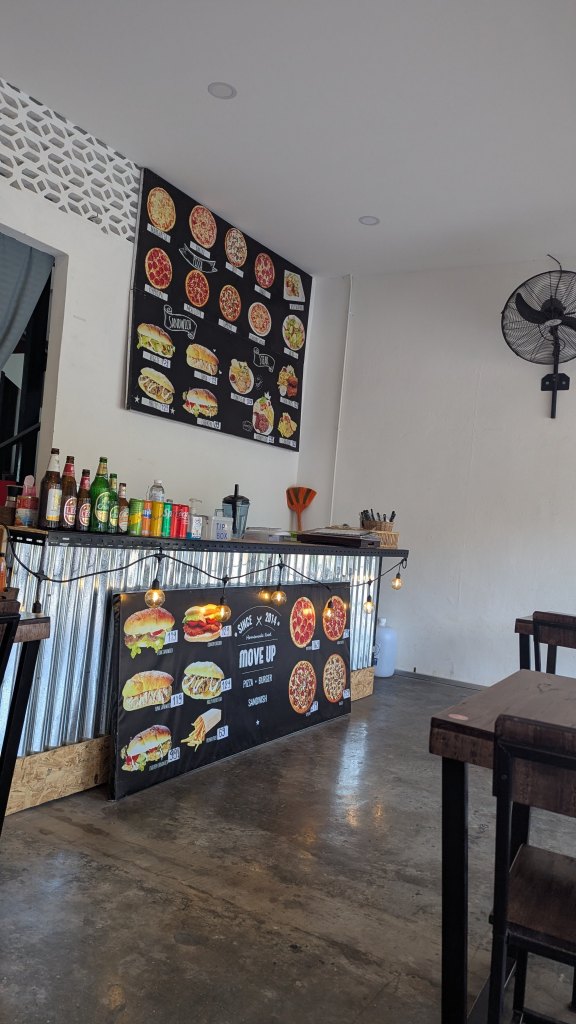
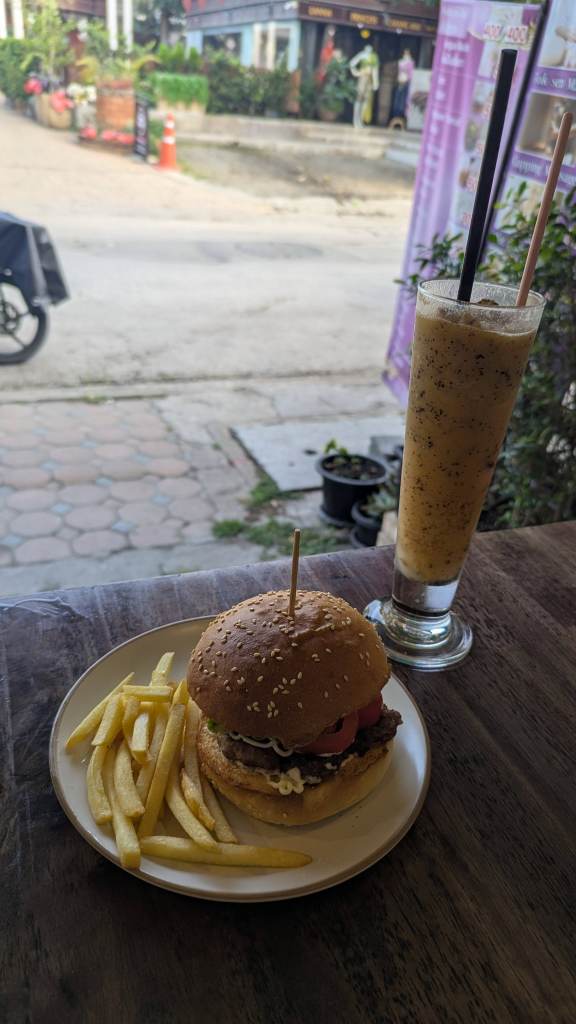
Finally at 3:43 PM I decided to stop at Move up, where I ordered a pork burger, passion fruit shake and a Chang beer.
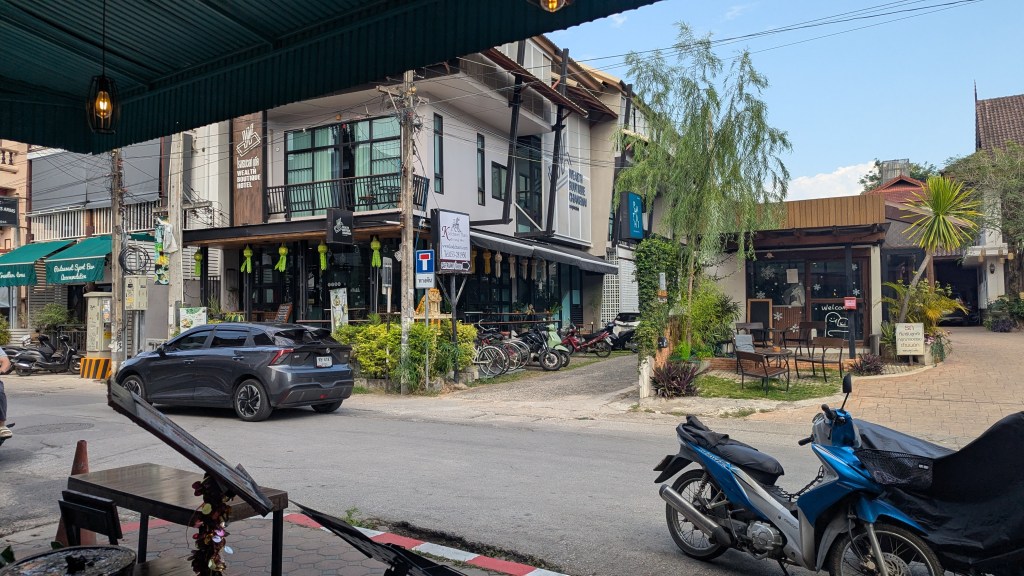
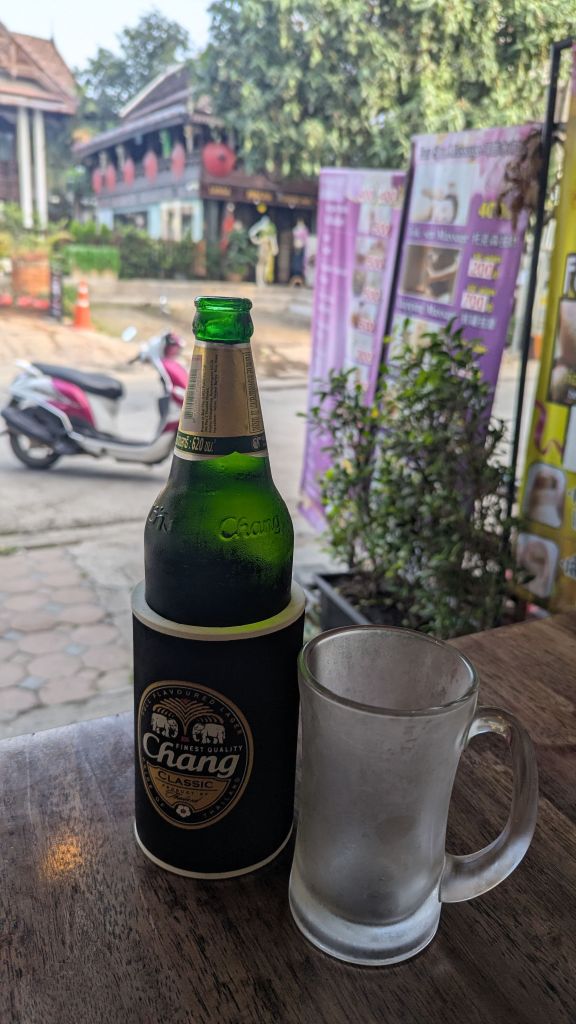
While I was there, I tried adding money to my Moreta account, but I had no luck. I tried two Indian cards and one Costa Rican card. Finally I just gave up and sent a note to customer support. Even though this app seems less useful in Thailand than it had been in Vietnam, I still hope I am able to get it working again. Having finished my leisurely lunch at 5:20 PM, I paid the 288 THB ($8.97 USD) bill with cash and set out walking towards the Old Chiang Mai cultural center.
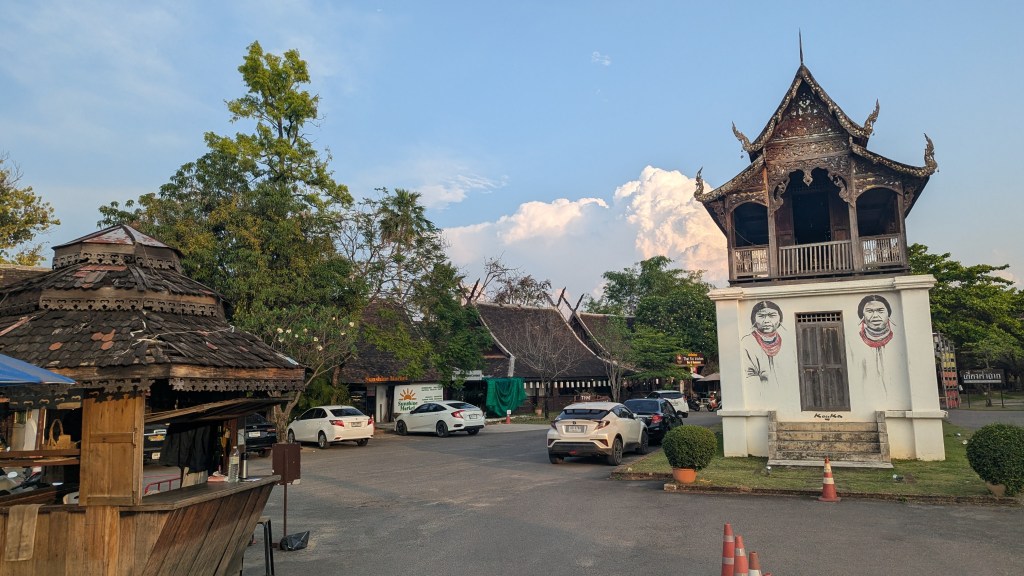
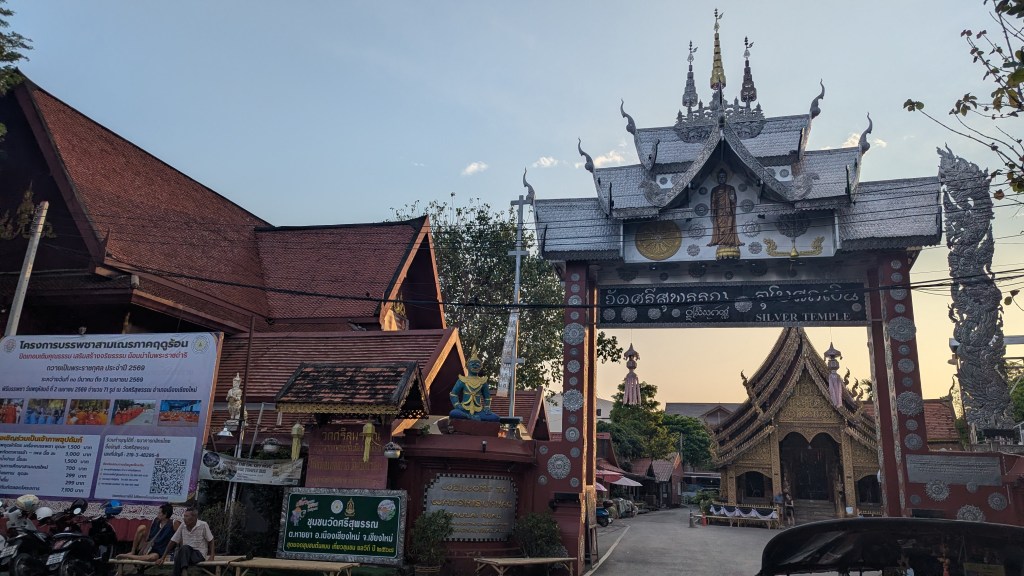
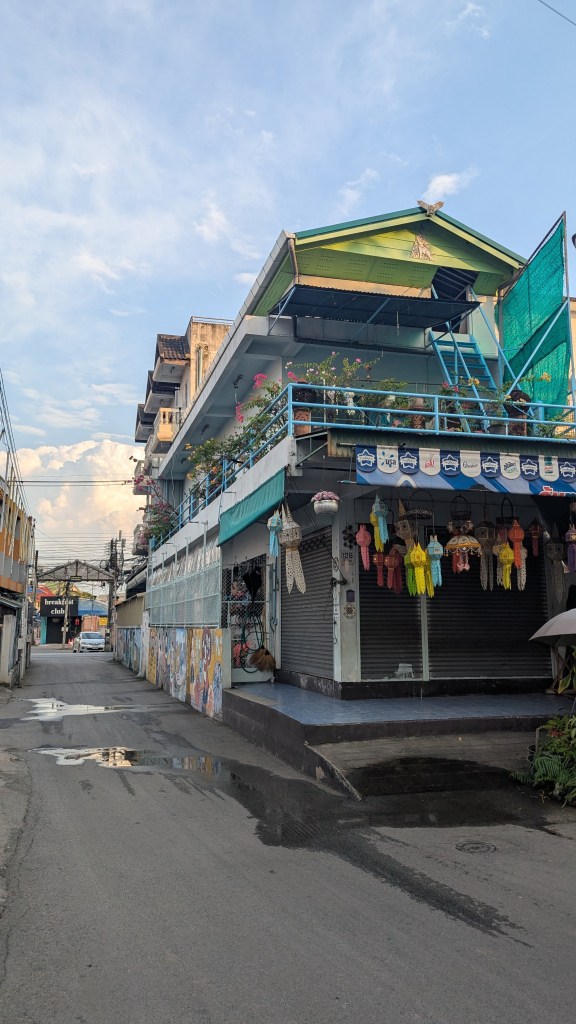
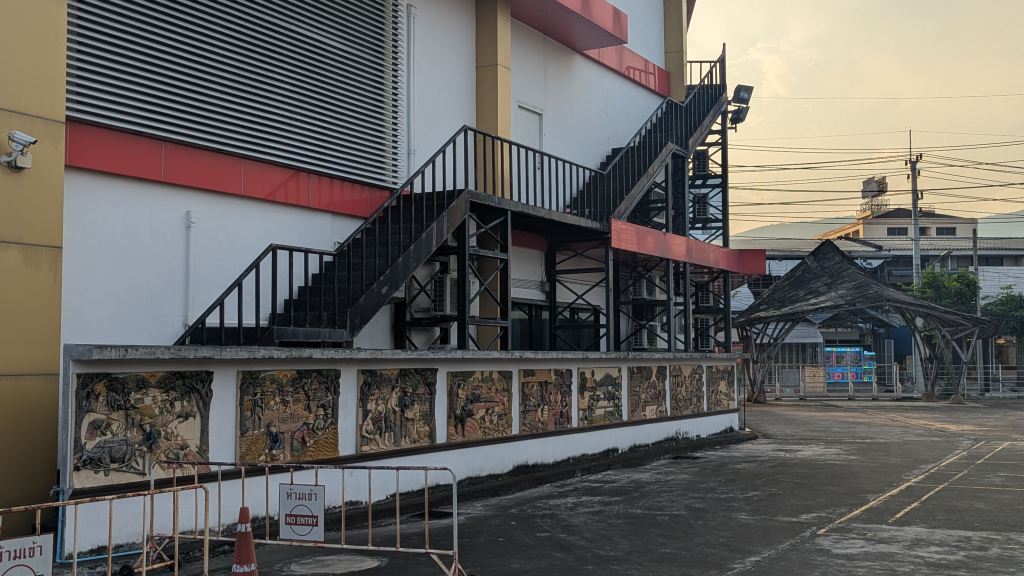
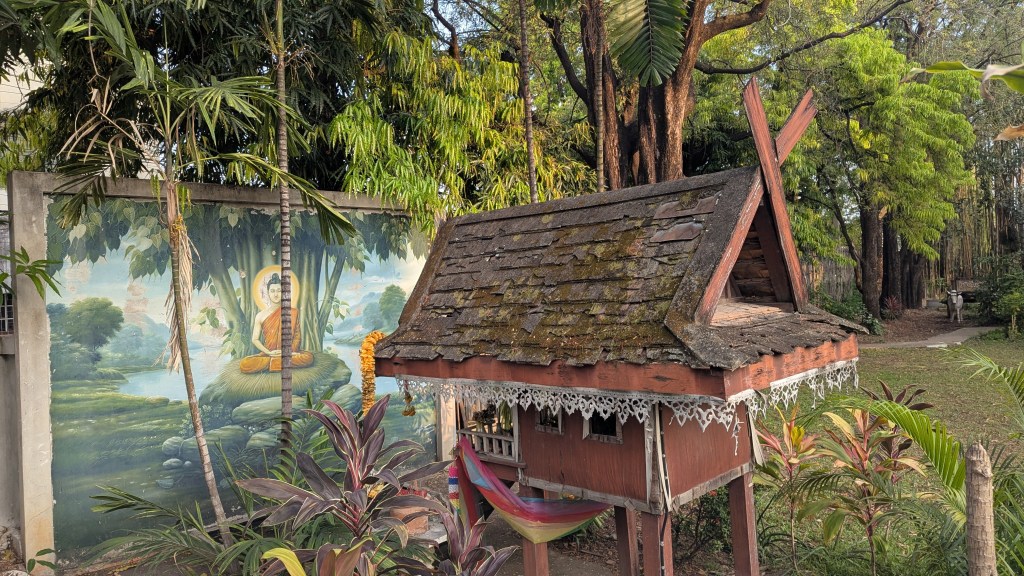
After my rather meandering walk, I arrived to the entrance at 5:58 PM. Just inside the entrance, there was a hostess who enquired as to whether or not I had a reservation, or if I was just there eat at one of the restaurants which were also on site. I indicated that I had made an advance purchase of the “Classic dinner and show” for a cost of 690 THB ($21.42 USD). After quickly confirming the reservation, she ushered me through to the waiting area.
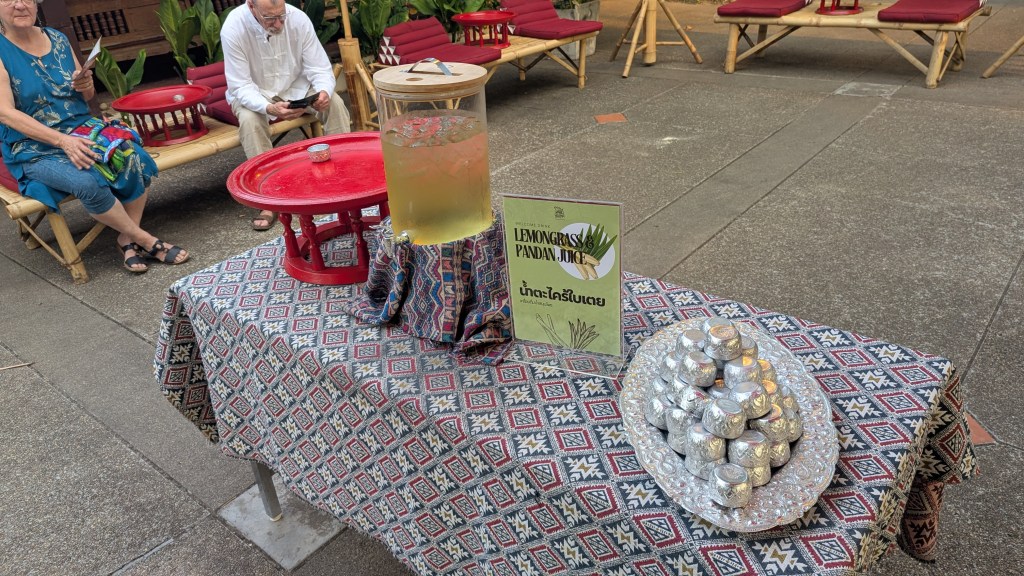
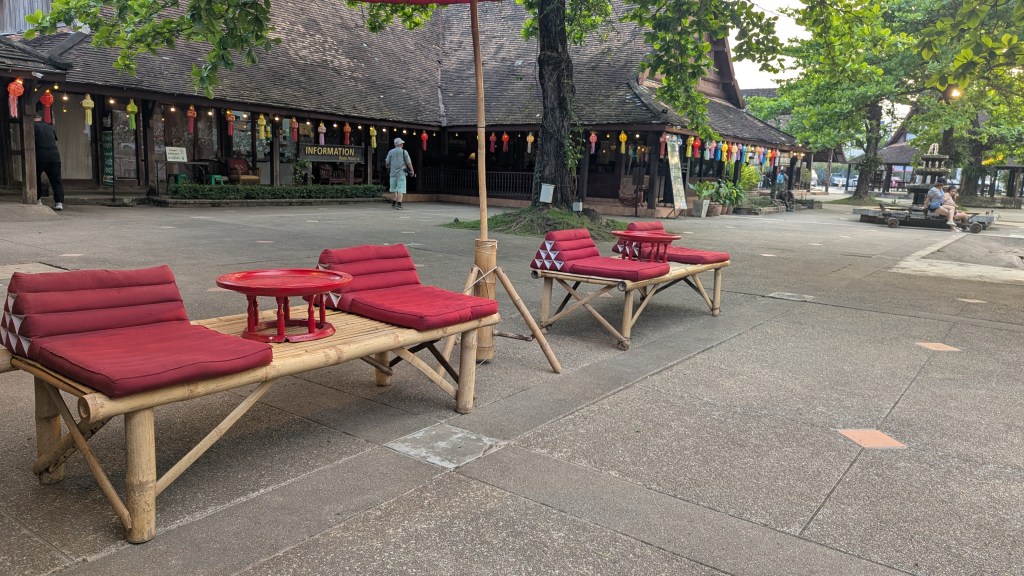
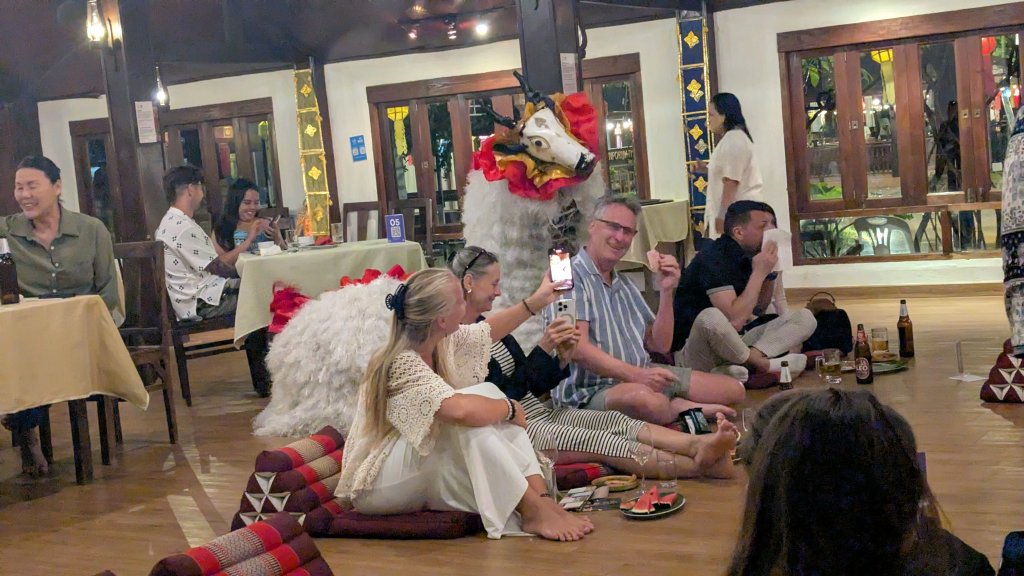
It soon became evident that the instructions to arrive at 6:00 PM had been a bit misleading, but the waiting area was comfortable, and the lemongrass welcome drink was surprisingly refreshing. Despite the warnings I had seen online, there didn’t appear to be a particularly large number of people, so it was comfortable and uncrowded when they had us go through at 6:35 PM to our assigned seats. Honestly, it seemed like everyone had very pleasant seating, but I was particularly pleased with my solo table, where I had a completely unobstructed, close-up view of the main stage.
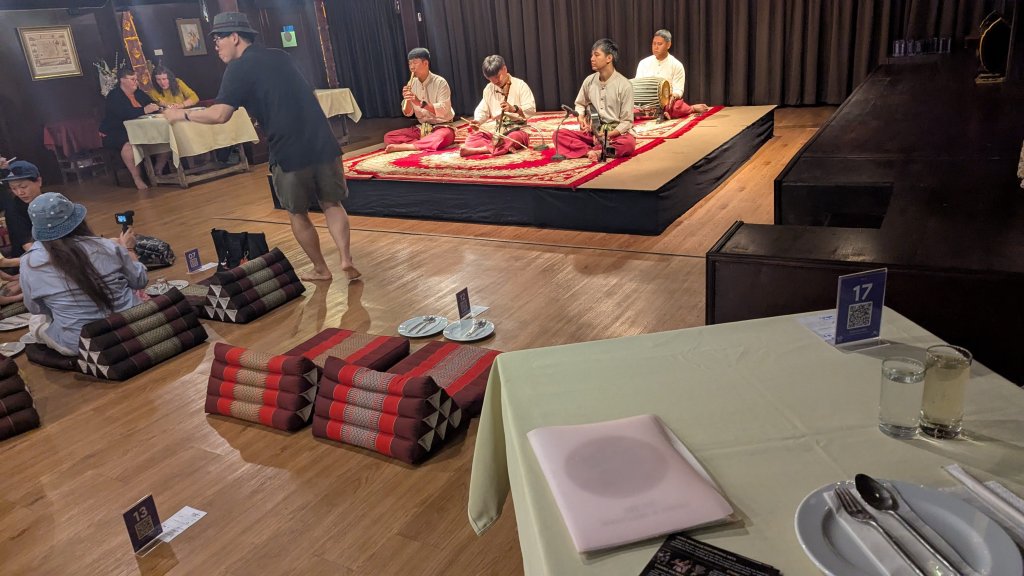
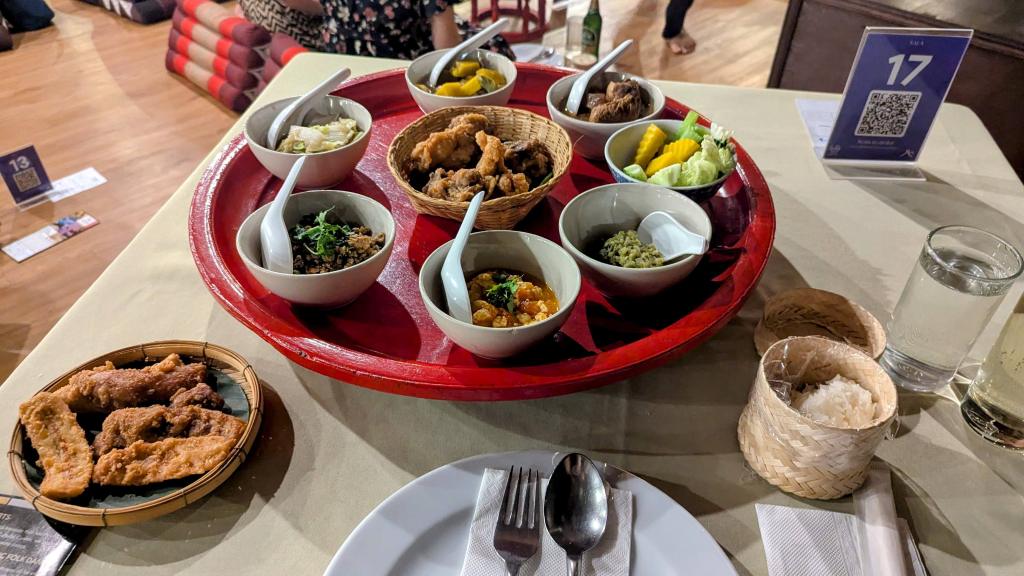
I had opted for a standard table, but it appeared that the floor seating was also reasonably comfortable for those who would feel alright with that arrangement for two hours. Rather than launching right into the full show, we first had our meal served, with the live musicians accompanying us while we were eating. The food was both plentiful and delicious . . . honestly, I think it would have been worth it just to have the special meal. I didn’t feel a need to take advantage of the offer, but they were also happy to refill any of the dishes, so it was effectively a buffet.
Fortunately, they did not start the dances until most of the diners had completely finished eating, a bit after 7:15 PM. Thus, everyone’s attention was fully on the performers. I was pleased with the show, but this is a dance style which is clearly focused more on careful elegance than on fast action, so I could see how some less patient viewers might get bored. Still, it was only an hour long, so except for very young children, probably almost anyone would still find the various dances to be enjoyable.
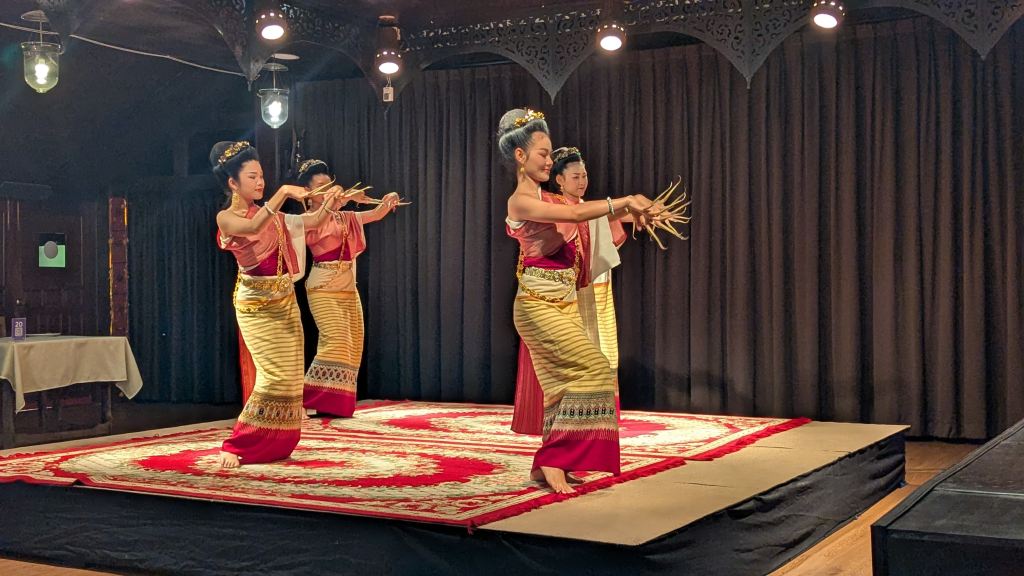
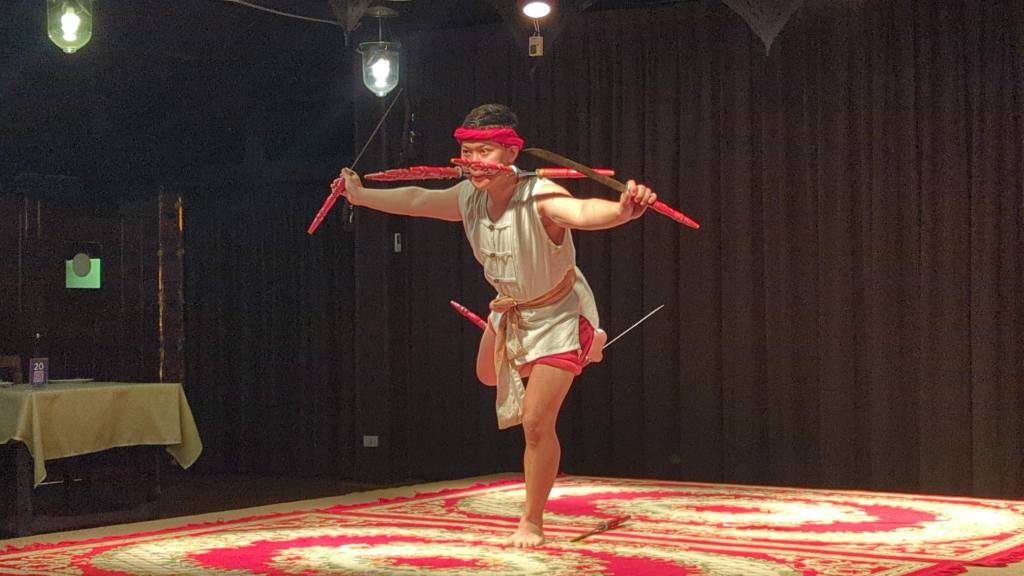
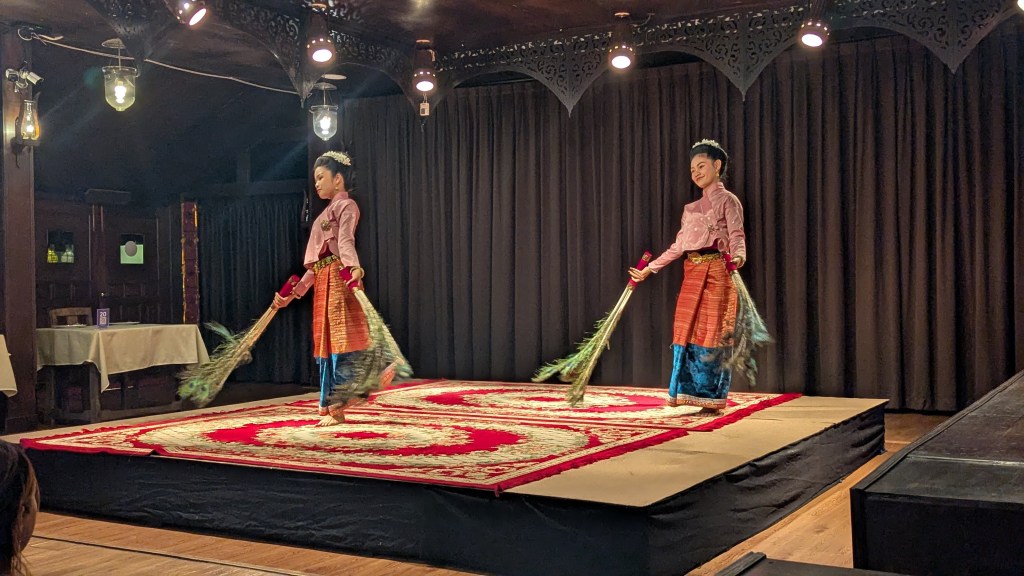
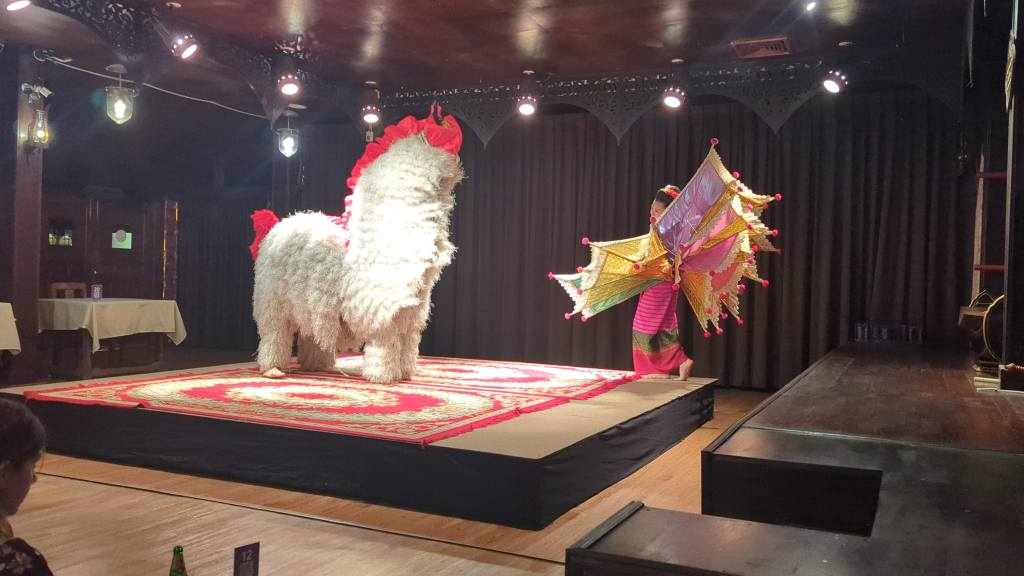
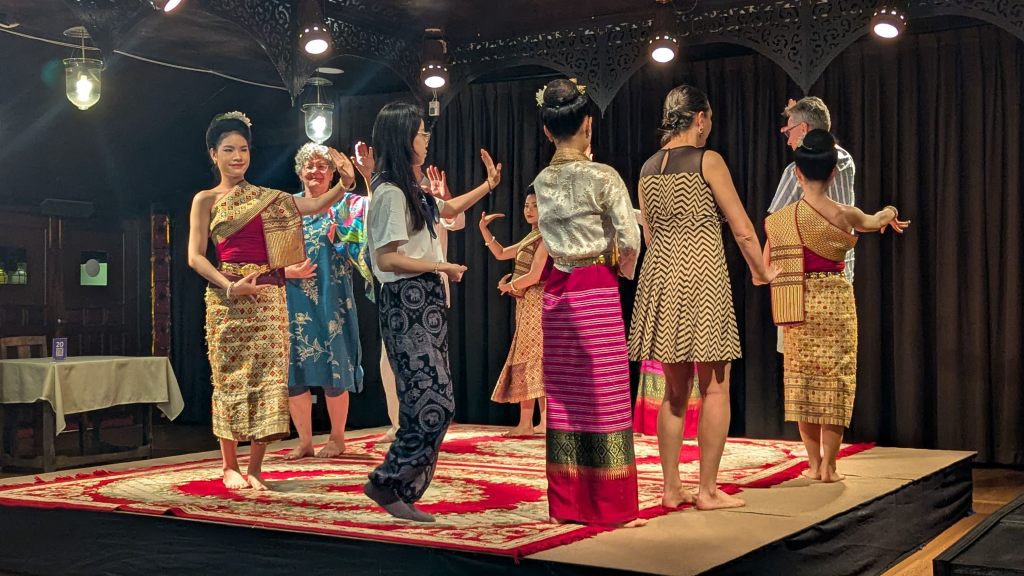
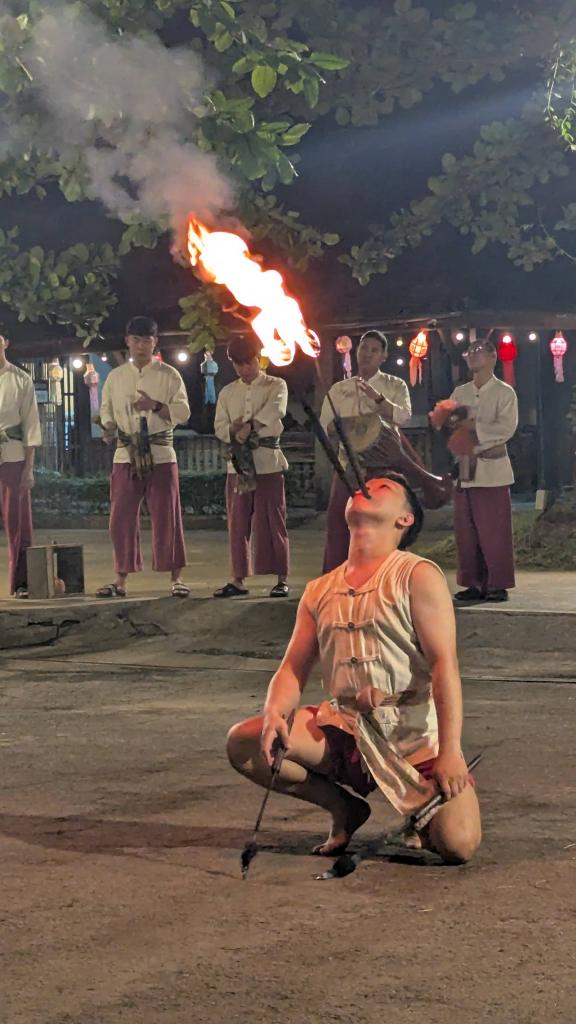
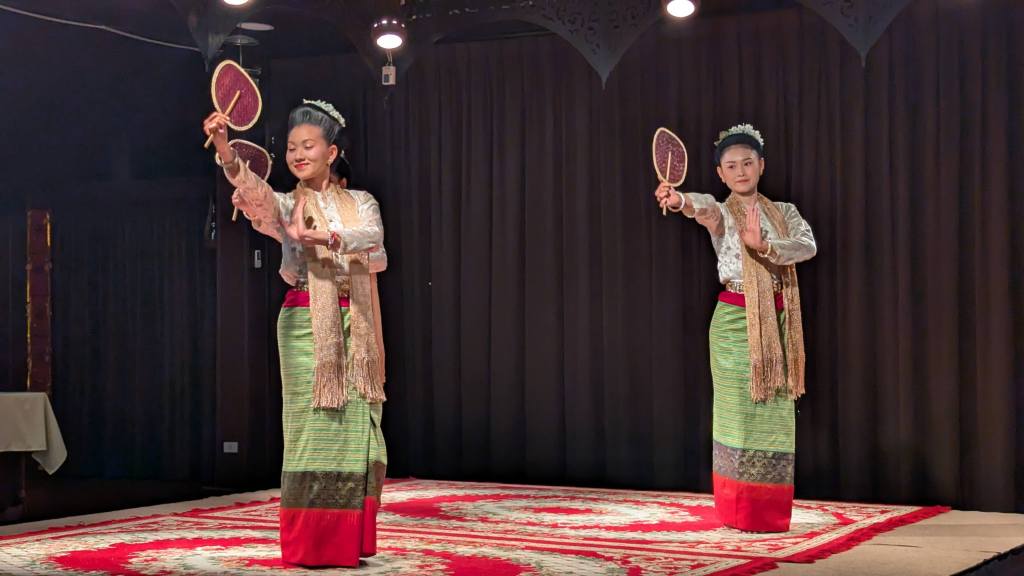
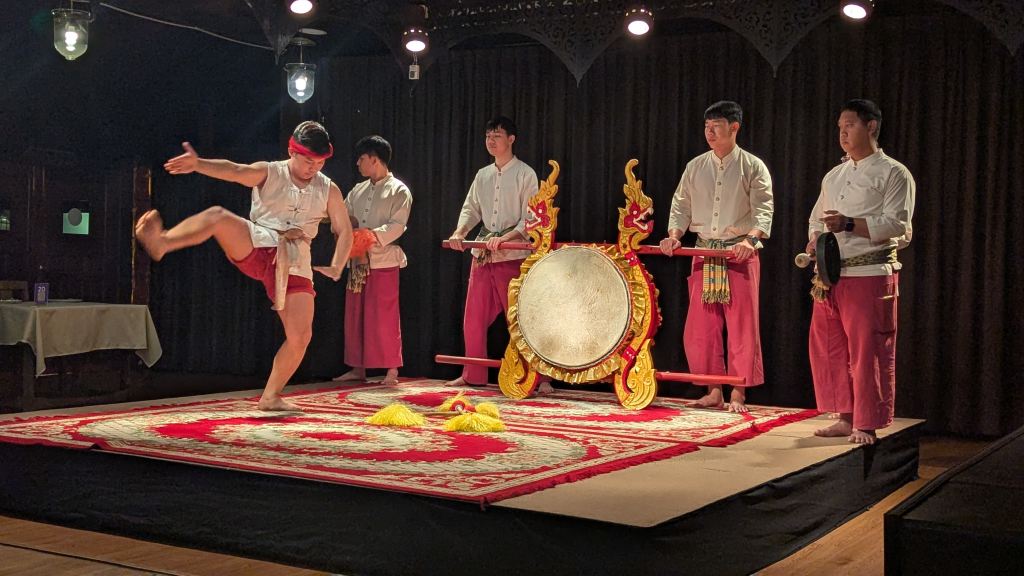
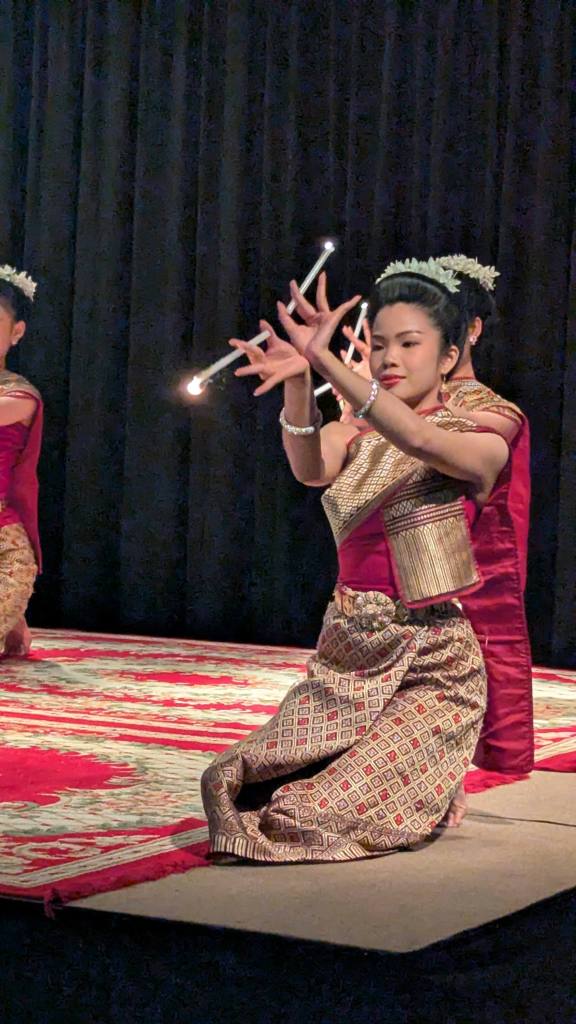
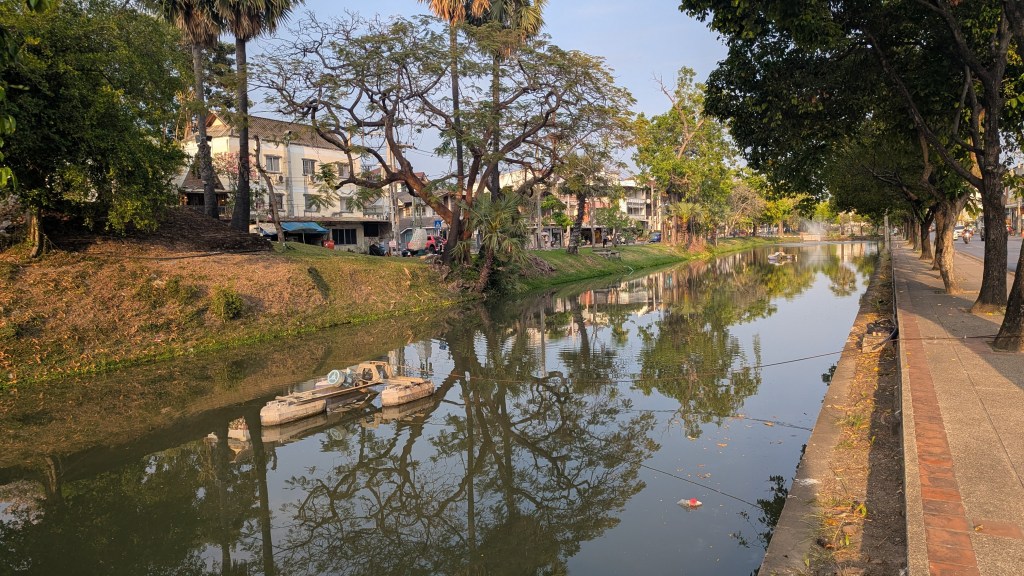
The whole thing was over at 8:18 PM. After a quick visit to the washroom, at 8:30 PM I began the 3 km walk back to the hotel. With all of the food I had eaten, I felt that I really needed the exercise!
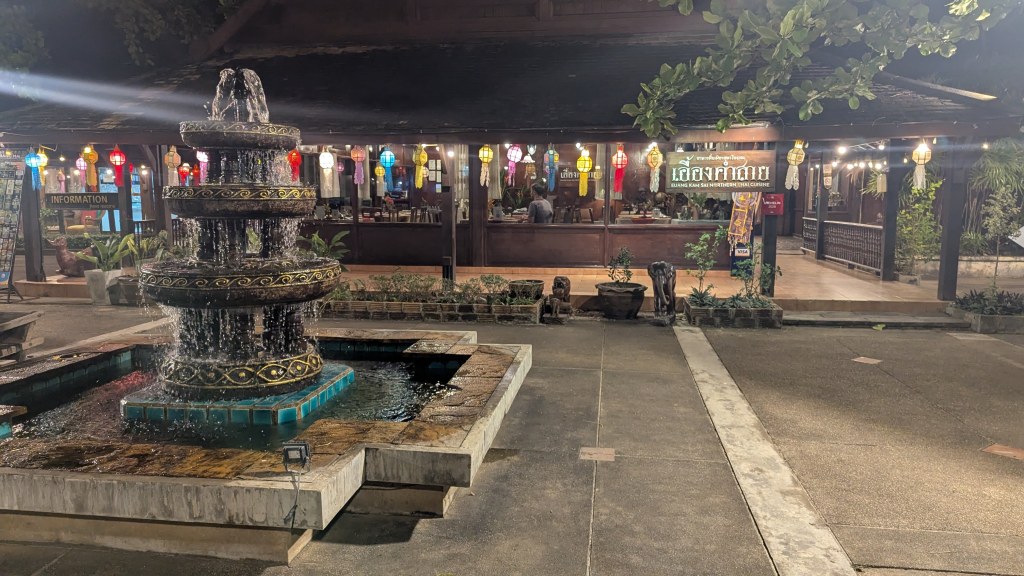
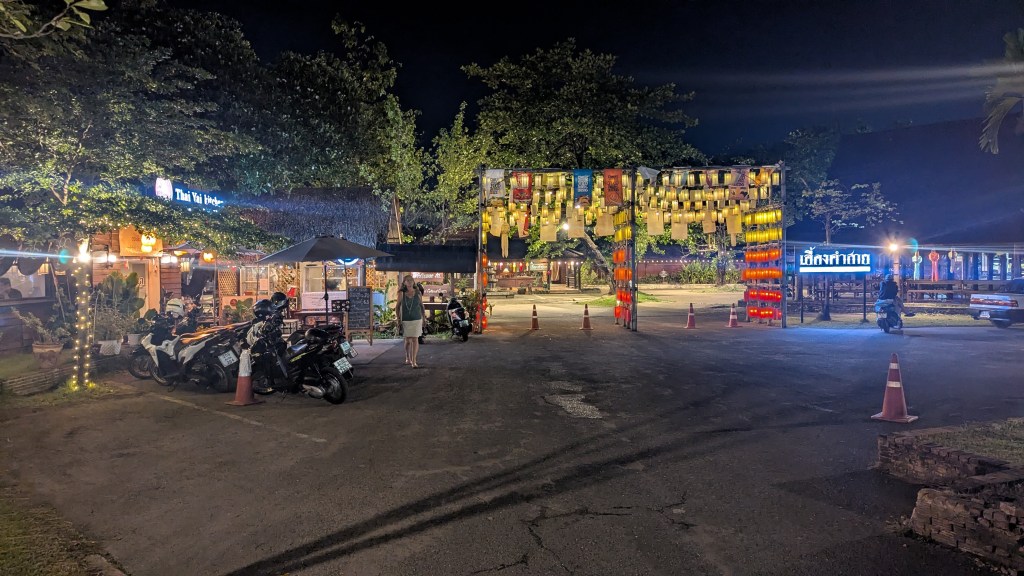
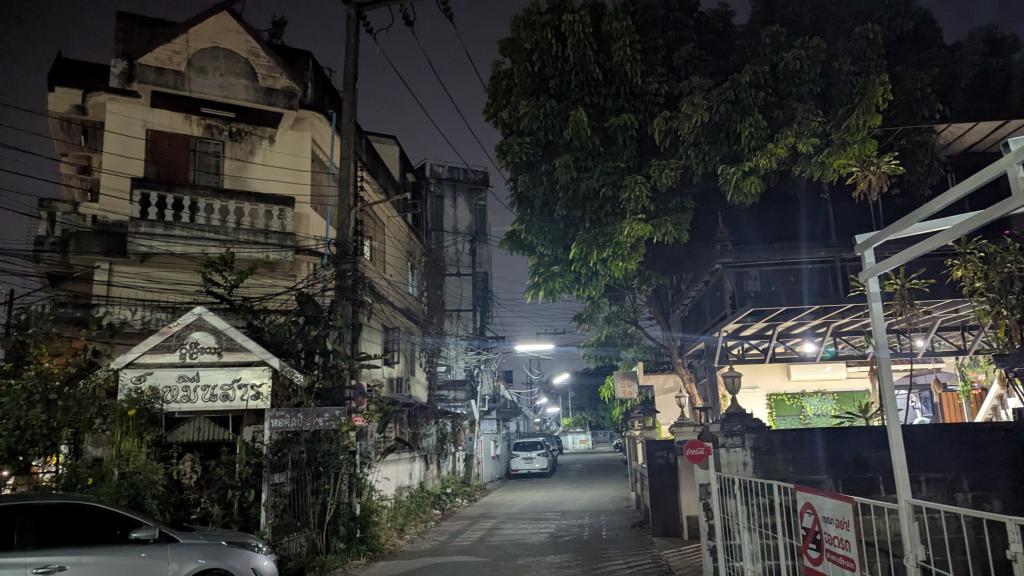
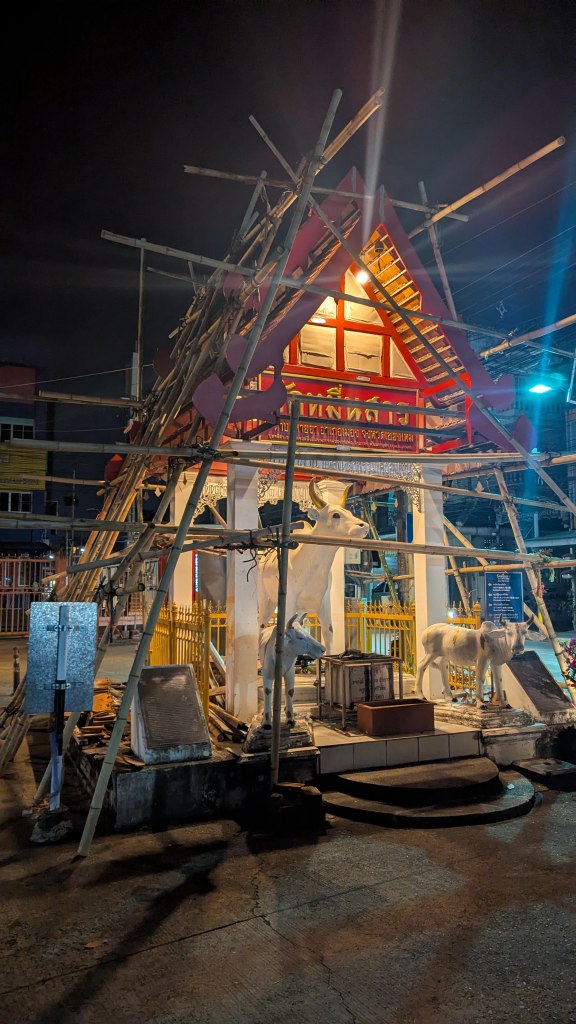
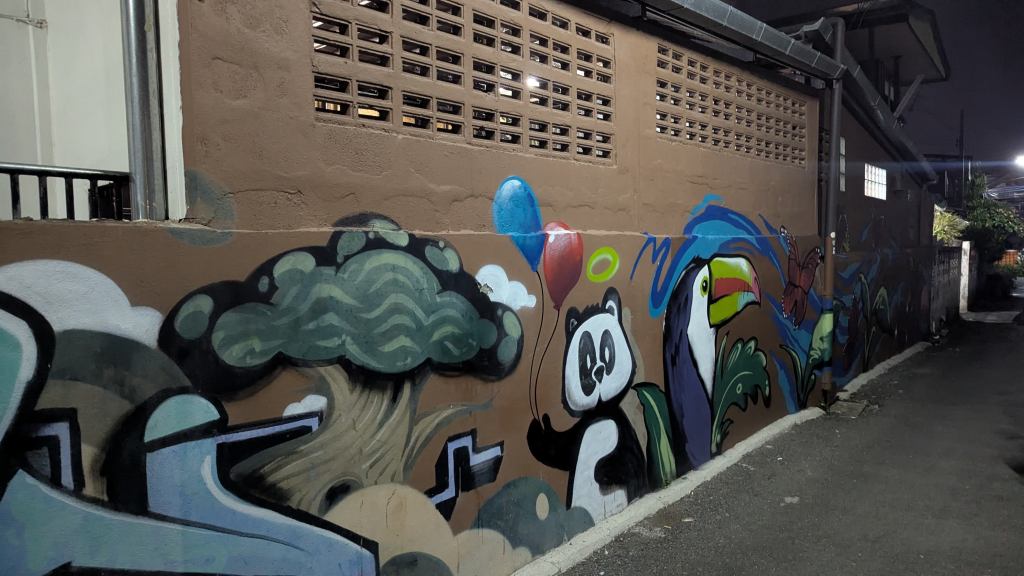
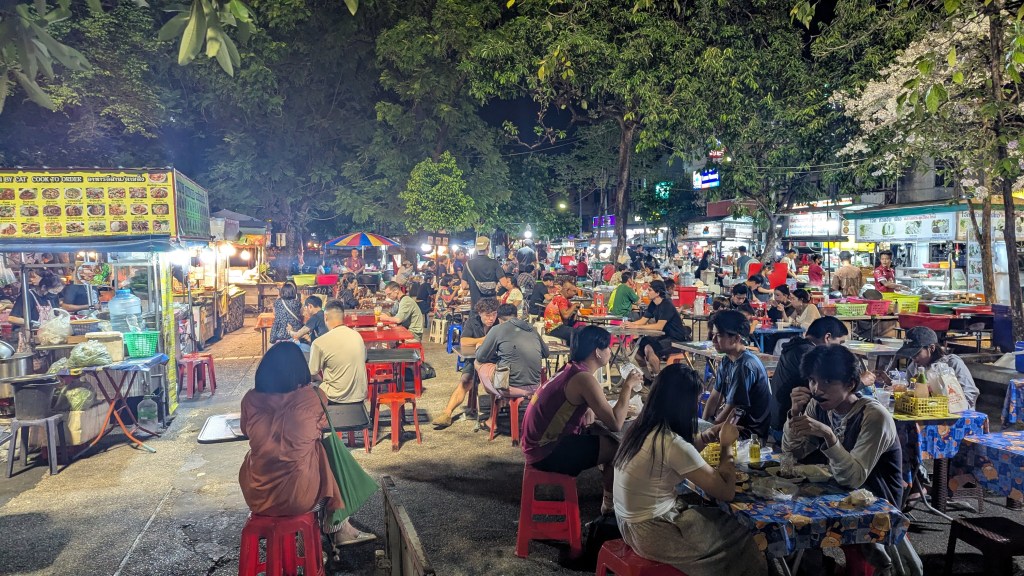
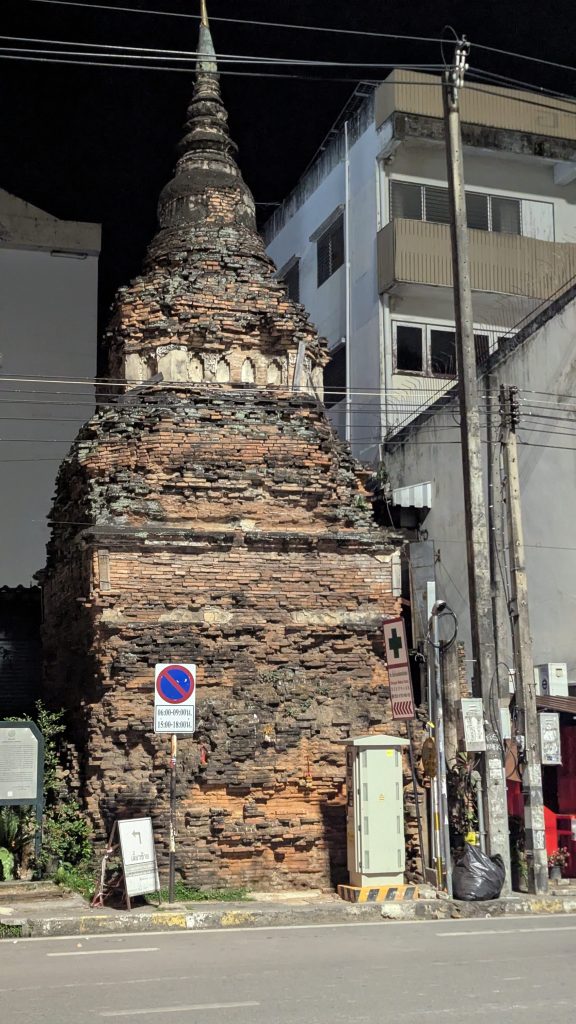
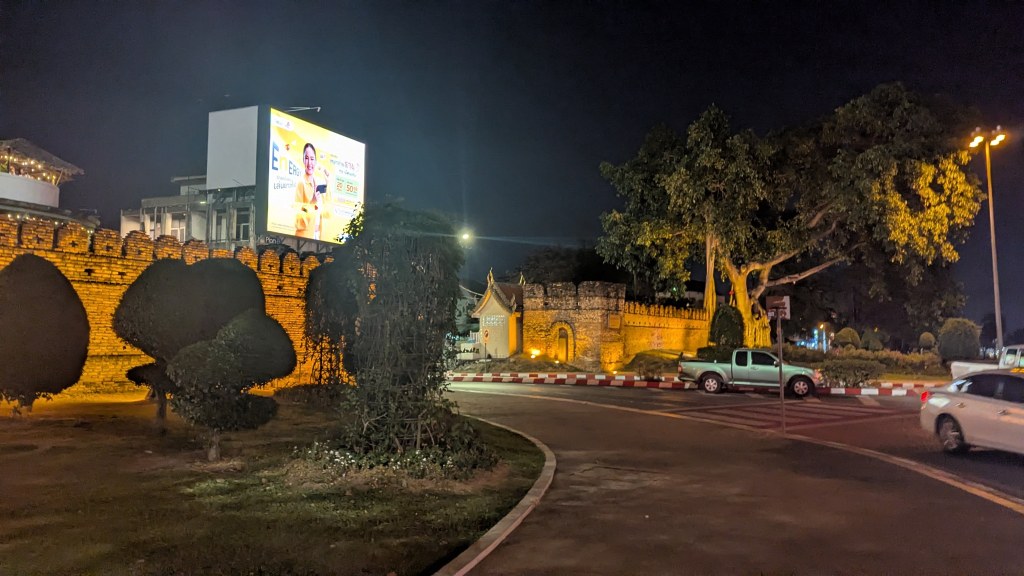
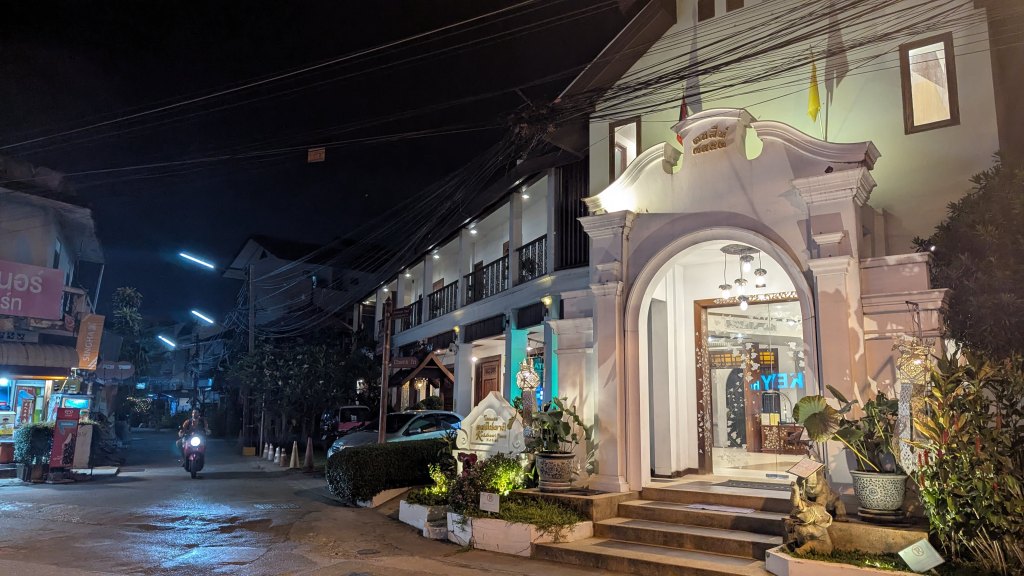
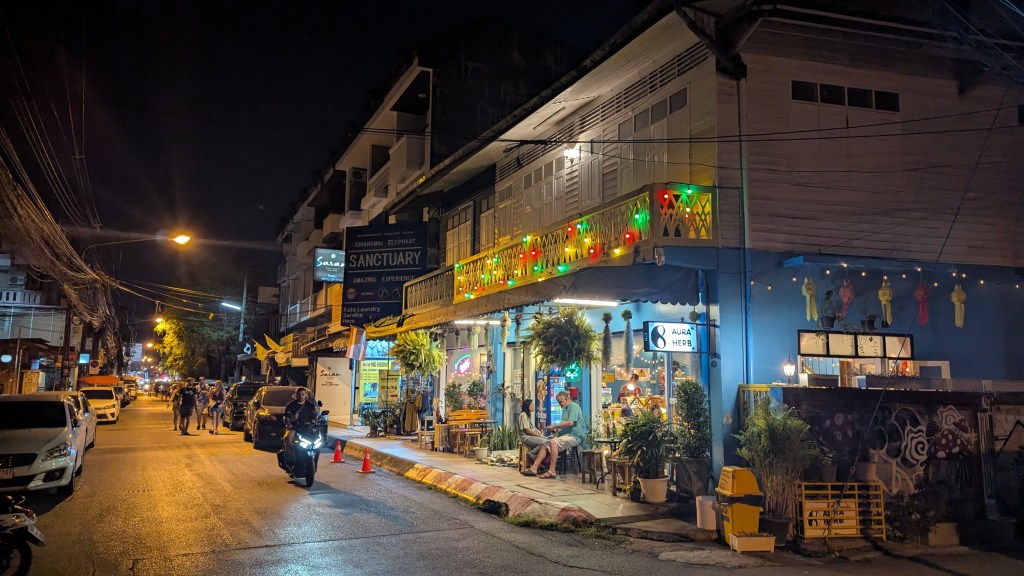
Upon returning to the hotel at 9:15 PM, I refilled my two hotel water bottles at the water station downstairs, took a shower, and then turned in for the night. So there you go, a full day of Chiang Mai culture. No doubt some would have found it to be a bit of a slow day, but it was just perfect for me. What do you think? Let me know your comments and questions below, and I promise to get back to you right away.

 Travels with Jay